Exterior Painting
Refresh Your Home Exterior
Restore curb appeal and protect exposed surfaces with dependable exterior painting completed through careful preparation and detailed application.
Professional Exterior Painting Services
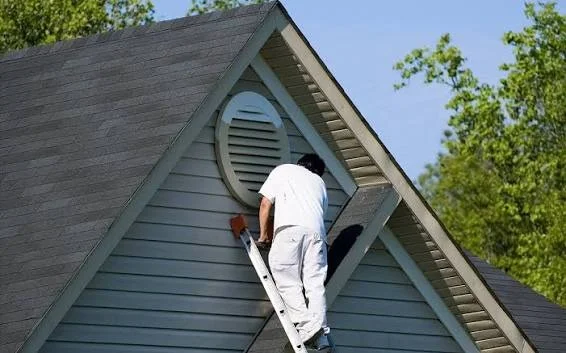
Exterior paint serves two important purposes: it defines how your property looks and helps shield its surfaces from moisture, sunlight, and seasonal exposure. Washington Custom Painting and Remodeling provides professional exterior painting services that restore tired finishes while adding a durable layer of protection to your home.
Before applying new coatings, we inspect the accessible exterior surfaces to identify peeling paint, deteriorated caulk, exposed material, staining, and other conditions that may affect adhesion. The required areas are then cleaned and prepared so the new finish can bond more effectively. Nearby windows, landscaping, walkways, fixtures, and unpainted surfaces are protected throughout the work.
We select primers, paints, and application methods according to the surface material and approved project requirements. Each coat is applied with attention to coverage, edges, and overall consistency. Once the work is complete, we review the painted areas and remove project materials, leaving your home with a cleaner, more polished exterior.
Exterior Painting Scope
Our painting process is adapted to the condition and material of each home exterior.
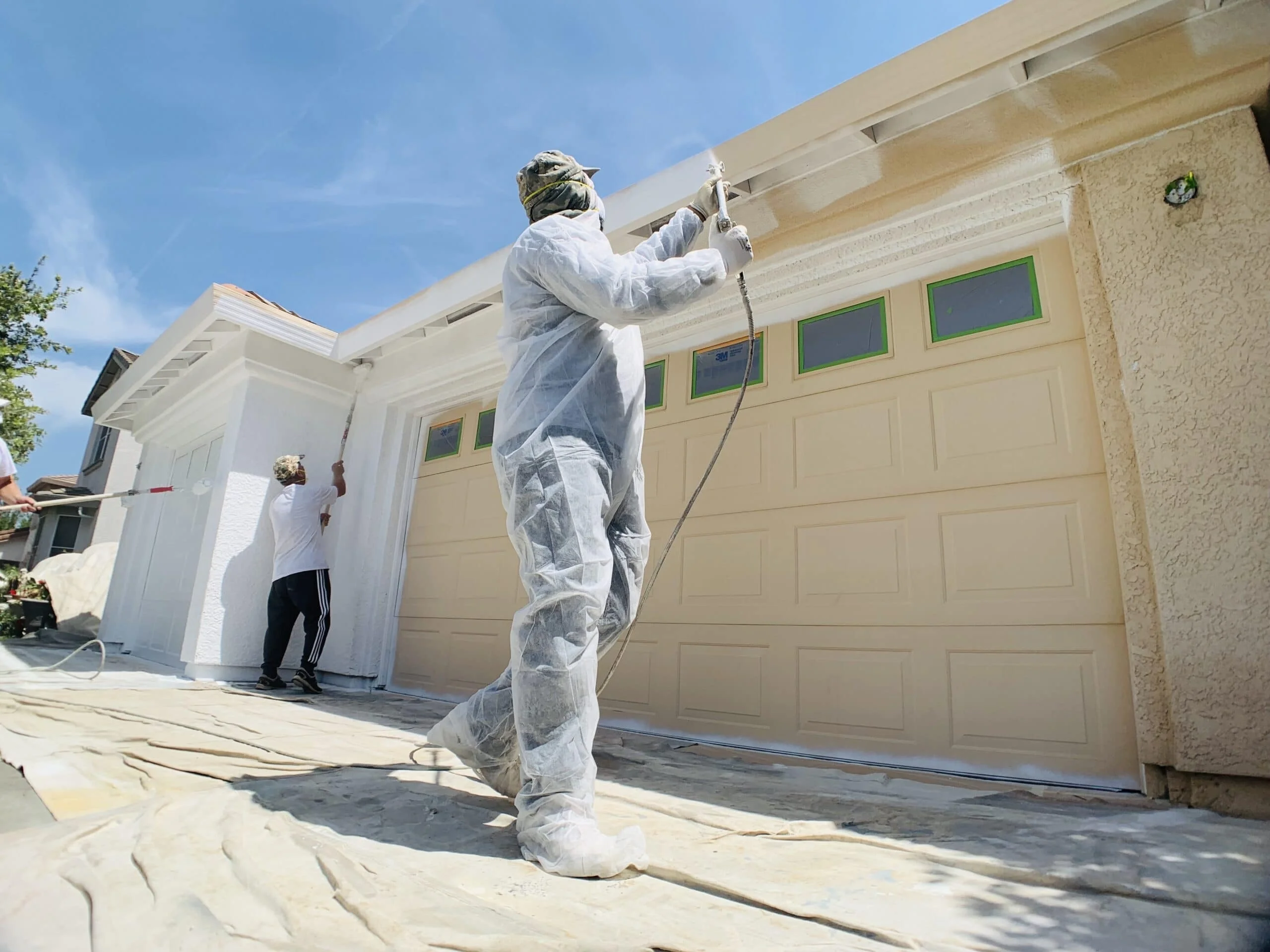


Exterior Protection Starts with Preparation
A lasting exterior finish depends heavily on the work completed before the first coat of paint is applied. Painting over dirt, moisture, loose material, or failing coatings can lead to uneven coverage and premature peeling. Our team takes time to evaluate the surface and complete the preparation required for more dependable adhesion.
Washington Custom Painting and Remodeling also prioritizes careful application and property protection. We work systematically around the home, monitor coverage, and maintain an organized jobsite. This quality-focused approach helps create an exterior finish that looks consistent, complements the property, and performs better against everyday environmental exposure.
Frequently Asked Questions
Peeling, cracking, fading, exposed siding, deteriorated caulk, and uneven color are common warning signs. An inspection can help determine whether repainting or additional surface preparation is appropriate.
Preparation varies by property but may involve washing, scraping loose coatings, sanding rough transitions, addressing suitable gaps, protecting nearby features, and priming exposed areas before painting begins.
Yes. Rain, surface moisture, temperature, and humidity can influence paint application and drying. Work should be scheduled during suitable conditions based on the coating requirements and exterior surface condition.
Depending on their material and condition, paintable areas may include siding, trim, fascia, doors, and other exterior features. We confirm the surfaces included before establishing the final project scope.