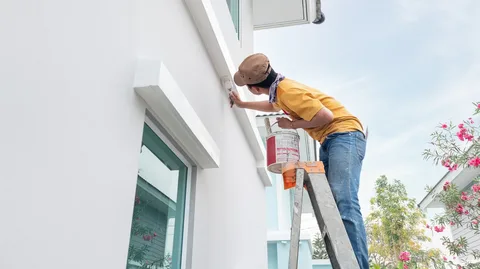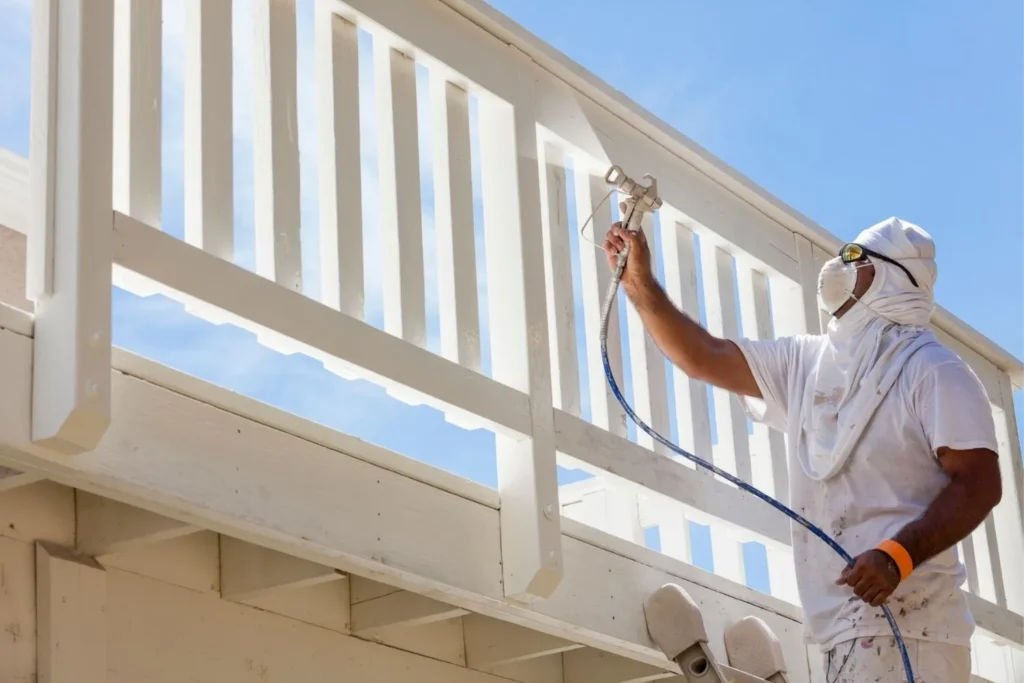
A peeling window sill or cracked trim joint can seem like a small cosmetic problem until another Ballard winter pushes water behind the coating. Exterior Painting works best here when the job starts with the condition of the siding, trim, and moisture paths rather than with a color card. Washington Custom Painting and Remodeling takes that view because Ballard homes often combine older woodwork, shaded elevations, detailed trim, and long stretches of damp weather.
A good repaint should protect the exterior while preserving the character of the house. That means understanding where water collects, which surfaces need primer, how much old coating is actually failing, and when the weather gives the material enough time to dry and cure. The finish coat is important, but it is the last part of a much longer decision process.
What a Ballard Exterior Repaint Should Include
A professional exterior repaint begins with a close inspection of siding, fascia, soffits, window casings, doors, porch details, exposed beams, and other painted surfaces. The crew should look for chalking, loose paint, open joints, staining, rust, soft wood, damaged caulk, and areas where gutters or vegetation may be keeping the wall wet.
In Ballard, we’ve noticed that most homeowners first spot peeling on the street-facing side of the house, while shaded elevations often tell a more useful story about moisture. North-facing walls, trim beneath roof runoff, and lower siding behind shrubs can stay damp longer than open areas. Ballard’s older Craftsman housing and wet, shaded conditions are also common themes on current local painting pages.
Cleaning comes next, but more pressure is not automatically better. Wood siding can be scarred by aggressive washing, and water can be driven into gaps if the operator works too close. After washing, the surface needs enough drying time before scraping, sanding, patching, or priming begins.
Good Exterior painting services in Ballard, WA should describe preparation in writing. Bare wood may need a bonding or stain-blocking primer, while rusting metal, fiber cement, masonry, and previously glossy surfaces can require different treatment. A useful proposal should also separate routine preparation from carpentry or larger repairs so unexpected damage does not become a vague extra charge.
The Real Challenge Behind Ballard Paint Failure
Ballard’s wet season is the obvious challenge, but the harder issue is deciding where the moisture is coming from. Current Seattle guidance notes that peeling and blistering can result from moisture collecting behind the paint film and points to leaking gutters, failed flashing, deteriorated caulk, shrubbery close to painted wood, and excess interior moisture as possible causes.
A client in Ballard reached out when they noticed repeated peeling below a bathroom window on an older home. The first assumption was wind-driven rain, but the exterior joint was not the only concern; the room also had weak ventilation and a history of heavy condensation. The failed coating was removed, the moisture sources were addressed, and the wood was allowed to dry before it was primed. Another quick coat would have hidden the symptom while leaving the reason for failure in place.
That leads to an objection many homeowners have: why spend so much time on prep when most of the existing paint still looks fine? Paint usually fails first at weak points rather than across an entire wall. End grain, window corners, nail heads, bottom siding edges, horizontal trim, and old repairs may represent a small portion of the exterior, but they can determine how long the new finish stays bonded.
People searching for Exterior painters near me should ask one question that is more revealing than “How many coats do you apply?” Ask what conditions would make the crew stop and wait. Damp wood, active leaks, soft trim, unstable old coating, uncured repairs, and a surface outside the product’s application limits are all valid reasons to delay paint.
Current Ballard and Seattle competitors already cover washing, scraping, rot repair, lead-safe work, older siding, moisture control, and dry-season scheduling. The gap is often the decision between “looks dry” and “is ready.” A careful painter should be able to explain what they are checking before the primer goes on.
How Washington Custom Painting and Remodeling Handles Prep
The process should move from diagnosis to protection, not from washing straight to finish coats. First, each elevation is evaluated for exposure, coating failure, wood condition, drainage, and access. Trouble around gutters, window heads, porch roofs, trim caps, and siding ends should be identified before those areas disappear beneath fresh paint.
After cleaning and drying, loose material is removed to a sound edge. Rough transitions can be feathered where the substrate allows it, repairs can be completed, and bare areas can receive the primer suited to the material. Caulk belongs in joints intended to be sealed; filling every visible opening can interfere with drainage or normal movement.
One detail generic articles rarely explain is end grain. The cut ends of wood absorb moisture faster than broad painted faces, especially at trim bottoms, rail components, and exposed siding repairs. If prep uncovers raw end grain, priming and coating that vulnerable surface carefully can be more valuable than adding unnecessary paint to an already sound field of siding.
Homeowners comparing higher-end painting proposals should also ask how the crew handles old paint on pre-1978 homes. Ballard has a dense stock of older housing, and current local contractors frequently highlight EPA lead-safe procedures for scraping and sanding. The scope should explain containment and cleanup when those requirements apply.
Another practical difference is sequencing. If one side of the house is dry and another remains shaded and damp, the crew should be willing to move rather than force the schedule. That flexibility protects adhesion and gives repaired wood the time it needs.
What to Know Before You Choose a Painter
Working with clients in Ballard, our team found that homeowners get much more useful estimates when the painter identifies problem areas during the walkthrough instead of offering one broad price for “prep and paint.” Ask the contractor to point to the elevations, joints, or trim sections that are likely to need extra attention and explain why.
Compare the scope before comparing the total. Check whether the proposal includes siding, fascia, soffits, doors, railings, porch ceilings, garage doors, and detailed trim. Also ask whether wood repair, stain blocking, caulk replacement, vegetation trimming, and extensive scraping are included or priced separately.
Before choosing a contractor, verify registration, insurance, product specifications, cleanup procedures, and written change-order terms. A long warranty is less useful if the contract does not clearly define what preparation was performed or what types of failure are excluded.
There is also a highly local rule worth knowing. If a property is inside the Ballard Avenue Landmark District, the City of Seattle says exterior changes are reviewed by the district board, and painting a building exterior is among the changes that can require a Certificate of Approval. The city’s preservation FAQ says repainting the exact same color may qualify as in-kind maintenance, while a color change can require approval. Check the property location and approval requirements before scheduling a major color change.
Finally, look beyond the paint brand. Premium material can help, but it cannot rescue damp wood, failing substrate, poor washing, or rushed repairs. The best question to ask during an estimate is simple: “What could make this paint fail here, and what are you doing about it?”
Give the New Finish Better Conditions to Last
A Ballard exterior has a better chance of holding up when moisture sources, weak wood, loose coating, and vulnerable joints are handled before color goes on. Washington Custom Painting and Remodeling can assess exterior repainting in Ballard, WA, with siding condition, weather exposure, preparation depth, and local property requirements considered before work starts. Ask for a written scope that separates cleaning, repairs, primer, and finish coats so you can compare the real work rather than only the final price.
4. FAQs
How much does it cost to paint a house exterior in Ballard?
Cost depends on home size, number of stories, siding material, access, trim detail, paint condition, and the amount of preparation or carpentry needed. Older Ballard homes can cost more when scraping, lead-safe containment, or wood repair is required. Ask for repairs and routine painting to be priced separately.
What is the best time of year to paint a Ballard home?
Late spring through early fall usually offers better drying conditions, but the exact surface condition matters more than the month. Recent rain, morning dew, shade, and cool temperatures can keep wood damp. A responsible painter should follow the coating manufacturer’s application limits rather than paint simply because the forecast is dry.
How do I know an exterior painter is legitimate?
Check Washington contractor registration, insurance, a written scope, recent local work, and how change orders are approved. Ask who supervises the crew and how weather delays or hidden wood damage are handled. For older homes, confirm that the contractor understands applicable lead-safe requirements before disturbing existing painted surfaces.
Does all old paint need to be removed before repainting?
No. Paint that is firmly bonded does not always need to be stripped. Loose, peeling, or unstable coating should be removed to a sound edge, and exposed areas should receive the correct preparation and primer. The cause of failure also needs attention, especially if moisture, rot, failed caulk, or drainage contributed to peeling.
Does Ballard’s climate change which exterior paint I should use?
Yes, but product selection is only part of the answer. The coating should suit the siding material, existing finish, exposure, and expected weather conditions. Prep and drying are equally important. A high-quality acrylic applied over damp wood or unstable paint can still fail much earlier than homeowners expect.