A fresh exterior paint job can do more than change a home’s appearance. The right coating helps protect siding, trim, doors, and other exposed surfaces from moisture, sunlight, temperature changes, and everyday wear. For Bellevue, WA homeowners, choosing the right products and preparing surfaces properly can make a major difference in how long the finish lasts.
Before comparing Washington Custom Painting and Remodeling, it helps to understand what the process involves. Surface condition, material type, weather, paint quality, preparation, and application methods all affect the final result. Homeowners who understand these factors can make better decisions and avoid common problems such as peeling, cracking, and uneven coverage.
Why Exterior Painting Matters in Bellevue
Bellevue’s climate creates specific considerations for exterior maintenance. Moisture and damp conditions can affect wood, siding, trim, and other exterior materials if the coating fails or surfaces remain poorly maintained.
Exterior paint serves several practical purposes:
- Helps shield surfaces from moisture
- Improves curb appeal
- Covers fading, stains, and worn finishes
- Helps protect exposed wood from deterioration
- Gives older siding a refreshed appearance
- Allows homeowners to update exterior colors
- Can help identify underlying surface problems before they worsen
Paint should not serve as a substitute for repairing damaged siding, rotten wood, leaking areas, or structural problems. Those issues should receive attention before painting begins.
How to Prepare a Home for Exterior Painting
Preparation often determines whether an exterior paint job looks good months later. Applying new paint over dirt, loose coating, or damaged material can lead to early failure.
A thorough preparation process may include:
What Exterior Painting Services Should Include
The exact process varies by property, but quality Exterior painting services in Bellevue, WA generally begin with an inspection and surface preparation.
Important steps can include:
- Inspecting the exterior – Identify cracks, peeling paint, damaged siding, mildew, rot, and other concerns.
- Cleaning surfaces – Remove dirt, dust, mildew, and other contaminants.
- Scraping loose paint – Remove failing coatings so new paint has a stable surface.
- Repairing damaged areas – Address minor cracks, holes, deteriorated wood, or damaged trim.
- Sanding rough surfaces – Smooth transitions between old and prepared areas.
- Priming where necessary – Use an appropriate primer for bare or repaired surfaces.
- Protecting surrounding areas – Cover windows, landscaping, fixtures, and other areas that should not receive paint.
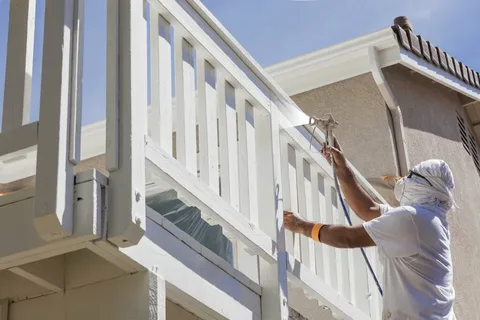
- Applying the finish coats – Use the appropriate method for the surface and selected coating.
- Inspecting the finished work – Check coverage, edges, trim, and areas that may need touch-ups.
Skipping preparation can result in peeling, bubbling, visible imperfections, and inconsistent color.
Choosing the Right Exterior Paint
Exterior paint comes in different formulations and finishes. The best choice depends on the surface, exposure, existing coating, and desired appearance.
| Paint Consideration | Best For | Key Benefit |
| Acrylic exterior paint | Many siding types | Flexible and durable |
| Elastomeric coating | Certain masonry surfaces | Helps bridge small surface imperfections |
| Exterior wood coating | Wood siding and trim | Designed for exposed wood |
| Satin finish | Siding and trim | Balanced appearance and cleanability |
| Semi-gloss finish | Doors and detailed trim | More reflective and easier to clean |
Always check the manufacturer’s specifications before choosing a product. A coating that works well on one material may not be appropriate for another.
How to Choose Exterior Painters Near Me
When homeowners search for Exterior painters near me, location matters, but it should not be the only consideration.
Look for professionals who can explain:
- What preparation the project requires
- Which products they recommend and why
- How they handle moisture or mildew
- What surfaces they can paint
- How they protect landscaping and property
- How many coats the project requires
- What weather conditions could affect the schedule
- How they address repairs discovered during preparation
A detailed written estimate should also make it clear what the project includes. Comparing several estimates can help homeowners understand differences in preparation, materials, labor, and project scope.
Best Exterior Painting Services: What to Look For
The Best exterior painting services are not necessarily the ones with the lowest estimate. Quality depends on the complete process.
Pay attention to:
Preparation: Proper cleaning, scraping, sanding, repairs, and priming can have a major impact on durability.
Material selection: Paint should match the surface and local environmental conditions.
Application: Even coverage, clean edges, and appropriate coating thickness matter.
Property protection: Windows, doors, plants, walkways, and outdoor fixtures should receive suitable protection.
Communication: A clear scope of work helps prevent misunderstandings about colors, repairs, preparation, and completion.
Common Exterior Painting Mistakes
Homeowners can encounter problems when they focus only on the visible color change.
Painting Over Dirty or Damaged Surfaces
New paint will not permanently solve adhesion problems caused by dirt, loose coating, or deteriorated surfaces.
Ignoring Moisture
Painting over moisture-damaged areas without correcting the source can lead to peeling and recurring damage.
Choosing Paint Based Only on Color
Color matters, but formulation and compatibility with the surface matter just as much.
Rushing the Project
Exterior paint needs suitable conditions for application and curing. Rushing between preparation and coating can affect the finish.
Using the Same Product Everywhere
Different surfaces may require different primers, coatings, or finishes. Follow product instructions instead of assuming one paint works for every exterior material.
Actionable Tips for a Longer-Lasting Finish
Use these practices to protect your investment:
- Inspect painted surfaces at least once a year.
- Look for peeling, cracking, bubbling, or discoloration.
- Clean exterior surfaces according to the paint manufacturer’s recommendations.
- Keep gutters and downspouts functioning properly.
- Direct water away from siding and trim.
- Address damaged caulking before water reaches vulnerable areas.
- Touch up small areas before damage spreads.
- Trim vegetation that constantly contacts painted surfaces.
- Keep records of the paint colors and products used for future maintenance.
Regular inspection makes it easier to catch small problems before they require extensive preparation.
How Often Should a Home Be Repainted?
There is no universal repainting schedule. The lifespan of an exterior coating depends on the material, paint quality, preparation, sun exposure, moisture, and workmanship.
Instead of repainting solely because a certain number of years has passed, inspect the exterior for visible signs of deterioration. Fading, peeling, cracking, chalking, and exposed substrate can indicate that maintenance is becoming necessary.
Conclusion
Quality Best exterior painting services in Seattle, WA involve much more than applying a new color. Bellevue, WA homeowners should consider surface preparation, moisture management, paint selection, weather conditions, application methods, and long-term maintenance before starting a project. Taking time to inspect the exterior and address underlying problems can help create a cleaner finish and improve its durability. Whether refreshing faded siding or updating the entire exterior, careful planning provides a stronger foundation for lasting results.
FAQ
1. How long does an exterior paint job take?
The timeline depends on the home’s size, surface condition, preparation requirements, number of coats, and weather. Repairs and detailed trim work can also extend the project.
2. What is the most important part of exterior painting?
Surface preparation is one of the most important steps. Cleaning, repairing, scraping, sanding, and priming create a better foundation for the new coating.
3. Can exterior painting be done during rainy weather?
Paint manufacturers typically specify temperature and moisture requirements for application. Rain, high humidity, or damp surfaces can interfere with adhesion and curing, so weather conditions should be considered when scheduling work.
4. Should damaged siding be repaired before painting?
Yes. Rotten wood, severely damaged siding, leaks, and other underlying problems should be addressed before painting. A new coating cannot reliably correct structural or moisture-related issues.
5. How can I find the best exterior painting company?
Compare companies based on preparation methods, product recommendations, experience with your home’s exterior materials, project scope, communication, and written estimates rather than price alone.