A home’s exterior is constantly exposed to rain, moisture, sunlight, temperature changes, and everyday environmental conditions. Over time, fading, peeling, staining, damaged caulk, and exposed surfaces can affect both appearance and protection. Washington Custom Painting and Remodeling provides Exterior Painting service focused on careful preparation, suitable coatings, and detailed application for Washington homeowners.
For homeowners in Bellevue and Seattle, a successful exterior update should involve more than choosing a new color. The condition of siding, trim, doors, fascia, and other exterior surfaces should be considered before painting begins. Proper preparation and material selection can help create a cleaner appearance while supporting better long-term performance.
Evaluating the Current Exterior Condition
Before applying a new coating, homeowners should understand the condition of the surfaces being painted. Existing problems can affect how well new paint adheres and how long the finished coating remains attractive.
Identifying Areas That Need Preparation
A detailed inspection can reveal peeling paint, exposed material, deteriorated caulk, staining, or rough areas that need attention. Addressing these conditions before painting creates a better foundation for the new finish.
- Look for peeling or cracking paint.
- Check exposed surfaces for deterioration.
- Inspect caulk around suitable exterior gaps.
- Identify areas affected by moisture or staining.
For exterior coatings in Bellevue, WA careful evaluation is particularly useful because wet weather can contribute to surface deterioration. The company’s service process includes inspecting accessible surfaces before determining the preparation required.
Preparing Surfaces for a Durable Finish
Preparation is one of the most important stages of any painting project. Applying paint over dirt, loose coatings, or poorly prepared surfaces can lead to inconsistent coverage and premature failure.
Cleaning, Sanding, and Priming Exterior Surfaces
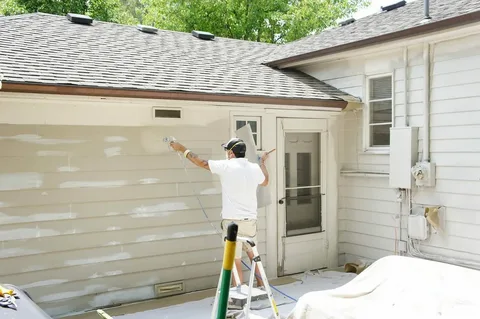
The appropriate preparation depends on the home’s materials and existing condition. Cleaning removes surface contaminants, while scraping and sanding can help create a more suitable surface for new coatings. Primer may also be necessary on exposed areas.
- Clean surfaces before applying new coatings.
- Remove loose or failing paint where necessary.
- Smooth rough transitions through appropriate sanding.
- Prime exposed areas when required.
A well-prepared surface allows exterior coatings to bond more effectively and can contribute to a more consistent finished appearance. Washington Custom Painting and Remodeling specifically describes cleaning, scraping, sanding, caulking, and priming as possible preparation steps.
Choosing Paint Finishes for Seattle Weather
Seattle homes regularly experience moisture and changing weather conditions. Exterior materials therefore need finishes that are appropriate for the property and the environment in which they are used.
Balancing Appearance With Weather Protection
The selected paint should work with the surface material and project requirements. A suitable coating can refresh the home’s appearance while providing an additional protective layer against everyday exposure.
- Consider the condition of existing exterior materials.
- Select coatings appropriate for the surface.
- Think about moisture and seasonal exposure.
- Coordinate finishes across different exterior features.
For weather protection in Seattle, WA weather considerations should be part of the planning process rather than an afterthought. The website notes that its exterior painting approach includes finishes suited to Washington’s wet and changing weather.
Improving Curb Appeal Through Color Selection
Color can significantly change how a home looks from the street. However, choosing an attractive color is only one part of creating a balanced exterior design.
Coordinating Siding, Trim, and Exterior Features
A successful color scheme should work with the home’s architecture, roofing, landscaping, windows, doors, and surrounding environment. Using complementary tones can make the property look more cohesive.
- Consider the existing roof and exterior materials.
- Coordinate siding and trim colors.
- Use accent colors selectively.
- Think about how colors appear under different lighting.
A refreshed exterior can make an older property feel cleaner and more maintained without changing its basic architectural character. Thoughtful color selection also helps ensure that the new finish works naturally with the rest of the property.
Protecting Surrounding Areas During Painting
Exterior painting involves more than applying coatings to walls and other surfaces. Windows, landscaping, walkways, fixtures, and areas that should remain unpainted need appropriate protection throughout the project.
Maintaining an Organized Painting Worksite
Keeping the work area organized can reduce unnecessary mess and help protect the property. It also allows the painting process to move more efficiently between preparation and application stages.
- Protect windows and nearby fixtures.
- Cover appropriate landscaping and walkways.
- Keep paint and project materials organized.
- Review completed areas for consistent coverage.
Washington Custom Painting and Remodeling states that nearby windows, landscaping, walkways, fixtures, and unpainted surfaces are protected during its painting process.
Maintaining the Finished Exterior
A newly painted home still requires periodic attention. Regular observation can help homeowners identify small problems before they develop into larger surface or coating issues.
Monitoring Paint, Caulk, and Exterior Surfaces
Homeowners should periodically inspect painted areas for fading, peeling, cracking, exposed materials, or deteriorated caulk. Early attention can make future maintenance more manageable.
- Check painted surfaces after harsh weather.
- Watch for new peeling or cracking.
- Inspect exposed trim and other vulnerable areas.
- Address surface problems before repainting becomes urgent.
For homeowners considering Best Exterior Painting service the finished surfaces can help preserve the appearance and protective benefits of the project. Regular care also provides an opportunity to identify moisture-related or material problems before they become more extensive.
Conclusion
A quality exterior painting project begins well before the first coat is applied. Evaluating the existing surfaces, completing appropriate preparation, selecting suitable coatings, protecting surrounding areas, and applying finishes carefully can all contribute to a better result.
For homeowners in Bellevue and Seattle, local weather conditions make preparation and material selection especially important. A thoughtful approach can refresh curb appeal while helping exterior surfaces remain attractive and protected through changing conditions.
FAQs
How often should a home exterior be repainted?
The ideal schedule varies according to the existing coating, surface material, weather exposure, preparation quality, and overall condition. Regular inspection is more useful than following a fixed timeline.
Why is surface preparation important before painting?
Preparation removes or addresses conditions that can interfere with paint adhesion. Cleaning, scraping, sanding, and priming can help create a more suitable surface for the new coating.
What exterior areas can be painted?
Depending on their material and condition, exterior painting may include siding, trim, fascia, doors, and other appropriate surfaces. The exact scope should be confirmed before work begins.
Does weather affect exterior painting?
Yes. Rain, surface moisture, temperature, and humidity can influence application and drying. Suitable weather conditions are important for achieving a consistent finish.
Can new paint improve curb appeal?
Yes. A fresh, coordinated color scheme can make a home look cleaner and more maintained while complementing existing architectural and landscaping features.