Peeling trim after a wet winter is easy to blame on old paint, but the real cause may be moisture trapped in wood, failed caulk around a window, or a coating applied before the surface was ready. In Ballard, those details matter. Washington Custom Painting and Remodeling shares this perspective because Exterior Painting Installation here has to account for long wet seasons, shaded walls, older woodwork, and narrow weather windows not just color choice.
A good exterior job protects siding, fascia, soffits, doors, trim, and exposed joints from repeated wet-dry cycles. It also gives a painter a chance to catch small failures before water reaches deeper into the exterior assembly. Current Ballard painting pages commonly emphasize Craftsman homes, lead-safe work, scraping, washing, and coatings made for Pacific Northwest conditions. One point deserves more attention: a crew should know when the substrate is still too damp to prime, even if the calendar says it is time to paint.
What Exterior Painting Really Covers
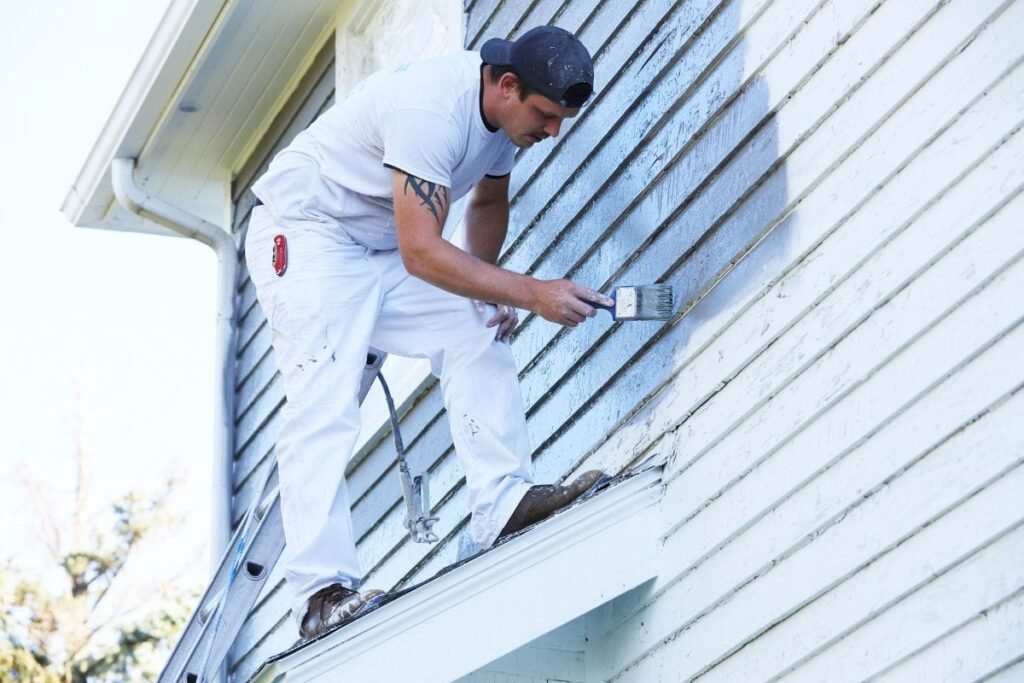
Exterior painting is not simply rolling two coats over existing siding. The work usually starts with a close inspection of wood, fiber-cement boards, previously painted masonry, trim joints, window casings, fascia, soffits, and areas where gutters or roof runoff may have kept surfaces damp. Loose coatings are removed, glossy areas are dulled, gaps are sealed where appropriate, bare material is primed, and finish coats are applied only after prep is complete.
In Ballard, we’ve noticed that most homeowners first call after seeing peeling paint on the most exposed elevation, while shaded sections may be holding moisture without looking as dramatic. That is one reason Exterior painting should begin with the whole exterior rather than the wall that looks worst from the street.
Surface condition also determines product choice. Acrylic exterior coatings are common for wood and fiber cement because they tolerate movement and outdoor exposure, but primer selection may change if the surface has tannin bleed, old oil-based paint, bare wood, rust staining, or repaired patches. A moisture meter can also help confirm whether wood has dried enough for coating. Painting over damp material can reduce adhesion and shorten the life of the finish.
Homeowners comparing Exterior Painting services should ask how the estimate treats prep. A low quote may exclude wood repair, extensive scraping, failed caulk, or spot priming, which can turn into added costs once work begins.
The Real Challenge in Ballard
Ballard sits within Seattle’s maritime climate, where the rainy season generally runs from October through March and the summer is much drier. National Weather Service climate information for Seattle notes that more than 75 percent of annual precipitation historically falls during the winter wet season. That pattern creates a practical problem for painters: siding can look dry on the surface while joints, end grain, and shaded wood remain damp.
A realistic Ballard scenario is a homeowner who reaches out after noticing paint lifting below two second-story windows. During prep, the visible peeling turns out to be only part of the issue; softened trim and an open joint have allowed repeated water entry. The right response is to correct the damaged area, let repaired surfaces dry, prime exposed material, and then coat it. Covering the defect with fresh paint would make the house look better temporarily while leaving the cause in place.
The objection we hear most is simple: “If the old paint is mostly intact, why does prep cost so much?” Paint failure often starts at edges, fastener heads, end grain, joints, and tiny breaks in the coating film. Those spots can represent a small percentage of the wall area but control how long the new finish lasts.
Older Ballard homes add another concern. EPA rules apply to paid renovation, repair, and painting work that disturbs painted surfaces in many pre-1978 homes, and the agency recommends trained, certified lead-safe contractors for covered projects. Someone searching for Exterior painters near me should ask how older coatings will be tested or handled before sanding and scraping begins.
How Washington Custom Painting and Remodeling Handles Ballard Exteriors
The most useful difference in a painting process is not a fancy tool; it is a clear stop-and-check sequence. The Ballard approach treats prep, moisture, repairs, and coating compatibility as separate decisions rather than one rushed production step.
First, the exterior should be inspected from foundation line to roof edge. Trouble spots often include window sills, bottom siding courses, fascia behind gutters, porch components, horizontal trim caps, and joints where different materials meet. Next comes cleaning appropriate to the surface. Pressure that is too aggressive can scar wood or force water behind siding, so washing method matters as much as washing itself.
After drying, failed paint is scraped and feather-sanded where needed. Bare wood or repaired areas receive the primer suited to the substrate and existing coating system. Caulk belongs in designed joints that need sealing, not in every gap a crew can see. Some openings are part of drainage or ventilation and should not be blocked.
The missing question on many painting pages is: what happens if the wall is not ready on the planned paint day? The correct answer may be to wait. A schedule should never outrank surface condition. This is especially relevant on shaded north-facing walls, beneath deep eaves, or after several damp days.
People comparing the Best Exterior Painting Services often focus on paint brand and warranty length. Those matter, but the better question is who decides that a surface is ready for primer, what evidence they use, and what the crew does when hidden damage changes the scope. That decision point is where many long-term failures begin.
What to Know Before You Hire
Working with clients in Ballard, our team found that homeowners get clearer bids when they ask contractors to separate preparation, repairs, priming, and finish coats instead of accepting one vague line for “paint exterior.” That breakdown makes it easier to compare actual scope rather than total price alone.
Start by asking what surfaces are included. Siding may be obvious, but trim, fascia, soffits, porch ceilings, railings, entry doors, detached garages, fences, and foundation walls can be treated differently. Confirm whether the quote includes masking, protection for landscaping, cleanup, minor carpentry, caulking, and disposal of paint debris.
Next, ask how weather affects the schedule. A local market-specific tip is to leave room for drying days rather than choosing a contractor solely because they promise the fastest start-to-finish timeline. Manufacturer temperature and moisture requirements vary by product, and a responsible crew should follow the coating data instead of guessing.
If you search Best Exterior Painting company in Seattle, WA, look past star ratings and ask for proof of licensing, insurance, a written scope, and recent exterior work on similar siding. For older homes, ask directly about lead-safe procedures where applicable. EPA’s current guidance makes clear that paid contractors disturbing painted surfaces in covered pre-1978 housing have certification and work-practice obligations.
Another useful question is what happens if rotten trim appears after scraping. A fair contract should explain whether minor repairs are included, billed by unit price, or presented as a change order before extra work begins. That protects both the homeowner and the crew.
Homeowners typing Best painting companies near me into a search bar can also compare how contractors talk about failure. A painter who can explain why paint peeled, where moisture came from, and how the repair changes the coating plan is giving you more useful information than someone who only promises a perfect finish.
Give the Paint a Better Chance to Last
A Ballard exterior lasts longer when the surface is repaired, dry, properly primed, and coated within the right weather conditions. Choosing a crew should come down to the quality of its inspection and prep plan as much as the finish color. For exterior painting in Ballard, WA, Washington Custom Painting and Remodeling can help you review the condition of the home and decide what should be repaired before painting begins. The next useful step is a written exterior assessment that clearly separates prep, repairs, primer, and finish coats.
4. FAQs
How much does exterior house painting cost in Ballard, WA?
Pricing depends on home size, number of stories, siding condition, access, trim detail, prep needs, and the amount of repair required before coating. Older homes with peeling layers or damaged wood usually cost more than newer exteriors in good condition. Ask for a written estimate that separates painting from repair allowances.
What is the best time of year to paint a house exterior in Ballard?
Late spring through early fall often provides the most workable conditions, but the exact day matters more than the month. Surfaces need to meet the coating manufacturer’s temperature and moisture requirements. After rain, shaded siding may need extra drying time even when the afternoon feels warm and dry.
How do I know an exterior painter is legitimate?
Check the contractor’s current license and insurance, request a written scope, and ask how prep, repairs, cleanup, and change orders are handled. For a pre-1978 home, ask about lead-safe requirements before work begins. Good contractors can explain their process clearly and show recent work involving similar siding and conditions.
Should old peeling paint be removed before repainting?
Loose and failing paint should be removed to a sound edge before new coating goes on. Not every intact layer must be stripped from the house, but unstable areas cannot simply be covered. Proper scraping, sanding where appropriate, spot priming, and repair of the cause of failure give new paint a stronger surface to bond to.
How long should a professionally painted exterior last in Ballard?
There is no honest fixed number because siding type, sun exposure, moisture, prep quality, paint system, and maintenance all affect service life. South- and west-facing areas may weather differently from shaded walls. Regularly checking caulk joints, trim, gutters, and small paint failures can help prevent localized issues from spreading.