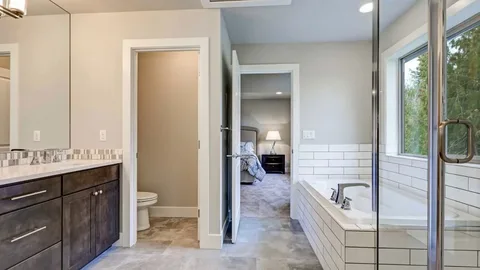
Pacific Northwest moisture and daily household routines test residential wet spaces constantly. Older tiles crack, galvanized pipes leak, and cramped layouts make morning routines frustrating. Therefore, property owners look for professional upgrades to modernize their private living spaces. Initial planning requires evaluating plumbing lines, moisture barriers, and lighting layouts. Consequently, smart homeowners seek professional contractors for a reliable bathroom remodeling project whenever comfort fades. Furthermore, Custom Painting and Remodeling delivers expert craftsmanship and durable interior renovations across local neighborhoods. Quality updates preserve building integrity and enhance daily household routines. Therefore, understanding proper design details helps you make informed choices during home improvement projects. Careful preparation ensures long-lasting functionality and peace of mind.
Assessing Plumbing Infrastructure and Moisture Control
Hidden plumbing infrastructure determines the physical boundaries of any residential wet room upgrade. Moving supply lines or toilet drains requires careful engineering to prevent future slab leaks. Therefore, inspecting existing pipe conditions remains a primary priority before starting demolition work. Furthermore, observing wall cavities reveals where condensation causes silent timber decay. Professional contractors use moisture meters to locate hidden dampness behind shower stalls. Consequently, strategic diagnostic assessments prevent minor plumbing flaws from expanding into expensive structural failures. Comprehensive site evaluations set the right foundation for effective home renovations.
Inspecting Supply Lines and Drain Rough-Ins
Older galvanized pipes restrict water pressure and require modern PEX replacements. Main drain slopes dictate whether you can relocate a toilet safely. Shower valve bodies must match modern thermostatic pressure-balancing codes. Floor drain locations dictate overall bathroom layout flexibility. Professional pipe inspections catch corrosion before finishing new drywall.
Managing Moisture Barriers and Ventilation Vapors
Heavy-duty vapor barriers stop shower humidity from soaking wall studs. High-volume exhaust fans pull moist air outside during hot showers. Waterproof membranes protect tile backer boards from water saturation. Proper caulking seals vulnerable tub and sink perimeters against leaks. Balanced ventilation prevents toxic mold colonies from spreading silently.
Selecting Durable Materials for Wet Room Finishes
Durable wet room surfaces demand waterproof porcelain tiles, quartz countertops, and corrosion-resistant fixtures. Cheap materials fail prematurely under constant humidity exposure and heavy daily family use. Therefore, choosing an affordable remodeling service material package protects your property investment. Furthermore, large-format porcelain slabs minimize grout lines where soap scum and mold accumulate. However, mixing incompatible setting materials causes tile cracking and premature delamination. Consequently, professional builders recommend uniform manufacturer-certified component systems for maximum longevity. Smart material selections balance upfront costs with long-term protection.
Comparing Modern Tile and Countertop Options
Porcelain floor tiles offer exceptional slip resistance and moisture defense. Quartz vanity tops resist makeup stains and chemical etching effectively. Natural stone tiles require periodic sealing to prevent water absorption. Large-format wall panels reduce grout cleaning chores significantly. Solid surface materials provide seamless integration around undermount sinks.
Upgrading Fixtures and Hardware Finishes
Brushed nickel faucets resist water spots better than polished chrome. Ceramic disc cartridges prevent dripping faucets over decades of use. Pressure-balancing shower valves protect bathers from sudden temperature spikes. Solid brass mounting brackets secure heavy glass shower doors safely. Water-saving aerators lower monthly utility bills without reducing pressure.
Optimizing Spatial Layouts and Lighting Design
Vulnerable bathroom layouts require intelligent spatial planning to maximize usable square footage. Cramped vanities or poorly placed doors disrupt natural movement through morning routines. Therefore, utilizing expert layout strategies ensures smooth traffic flow and ergonomic comfort. Furthermore, layered lighting designs eliminate harsh shadows around mirrors and vanity areas. Local building codes emphasize adequate task lighting at all mirror locations. Consequently, professional detailing eliminates the most common sources of daily user frustration. Meticulous spatial work transforms compact rooms into open retreats.
Maximizing Storage and Floor Space
Recessed medicine cabinets utilize stud cavities for hidden storage. Floating vanities create an illusion of greater floor space below. Pocket doors eliminate swing clearance issues in small powder rooms. Tall linen towers organize towels and toiletries within arm’s reach. Custom drawer dividers keep grooming tools neat and accessible.
Balancing Task and Ambient Lighting
Sconce lights flanking mirrors cast even illumination across faces. Recessed ceiling fixtures provide bright general ambient room lighting. Under-cabinet LED strips offer soft nighttime navigation lighting. Dimmer switches let you adjust brightness for relaxing evening baths. Natural window light boosts daytime mood and spatial brightness.
Addressing Structural Wood Rot and Flooring Integrity
Severe water leaks often ruin unsalvageable subfloors and wooden floor joists completely. Tearing out damaged building components prevents trapped moisture from rotting adjacent framing members. Therefore, researching an expert bathroom remodeling option ensures safe structural debris disposal. Furthermore, utilizing heavy-duty disposal bins keeps work zones organized and safe for technicians. Local waste regulations require proper disposal procedures for old bathroom materials. Consequently, structured repair timelines minimize secondary property damage during active cleanup phases. Safe structural restoration sets the stage for new tile installation.
Replacing Saturated Subfloor Panels
Soft plywood sheets are cut out and discarded during demolition. New exterior-grade subfloor panels restore solid nailable surfaces. Damaged floor joists are sistered with fresh lumber for added strength. Structural engineers inspect load-bearing floor framing following major leaks. Precision leveling ensures new tile floors install smoothly across all areas.
Managing Waste Disposal and Site Safety
Heavy-duty dumpster rentals accommodate large volumes of old tile debris. Plastic dust barriers seal living areas from construction debris. Magnetic sweepers collect stray metal fasteners around the work zone. Protective floor runners safeguard adjacent hallway carpets from damage. Clean work areas keep residential neighborhoods safe and tidy throughout projects.
Upgrading Ventilation and Energy Efficiency
Proper room airflow prevents premature paint peeling and dangerous winter condensation buildup. Trapped humidity cooks drywall from the underside, shortening wall lifespan dramatically. Therefore, evaluating bathroom ventilation remains essential during any major property renovation project. Furthermore, researching a trusted best remodeling company strategy prevents wasted budgets on temporary fixes. However, undersized exhaust fans fail to move air through complex duct runs. Consequently, professional contractors calculate exact cubic feet per minute requirements before installing vents. Balanced ventilation protects building materials and lowers energy bills.
Calculating Exhaust Fan Capacity
Fan CFM ratings must match or exceed total room volume measurements. Insulated ductwork prevents condensation from forming inside cold attic spaces. Quiet fan models operate below one zone for peaceful morning routines. Humidity-sensing switches turn fans on automatically during steamy showers. Exterior vent flaps keep outdoor drafts from entering living zones.
Incorporating Energy-Saving Fixtures
LED vanity bulbs consume eighty percent less electricity than incandescent options. Low-flow showerheads reduce domestic hot water consumption efficiently. Dual-flush toilets let users select appropriate water volumes per flush. Programmable radiant floor heating warms tile surfaces economically. Smart thermostats optimize bathroom heating schedules around family routines.
Executing Professional Upgrades and Long-Term Care
Finishing a major interior renovation requires careful ongoing maintenance to preserve surface beauty. Professional installation gives your property a polished architectural aesthetic that lasts for decades. Therefore, choosing a quality bathroom remodeling provider ensures your investment receives expert guidance. Furthermore, routine grout sealing and surface cleaning prevent clogged drainage paths in shower pans. Local climate conditions require appropriate seasonal checkups to catch minor caulk wear early. Consequently, proactive upkeep keeps your residential property protected through every passing season. Simple maintenance habits preserve home value effortlessly.
Performing Routine Interior Maintenance Tasks
Bi-annual grout sealing prevents moisture from penetrating porous tile lines. Cleaning glass shower doors weekly stops hard water mineral buildup. Checking under-sink plumbing quarterly verifies that no hidden water leaks exist. Wiping down exhaust grilles removes dust that restricts airflow. Inspecting perimeter caulking spots failing seals before mold forms.
Enjoying Long-Term Comfort and Safety
Modern bathroom upgrades transform dated spaces into luxurious home spas. Durable tile materials withstand heavy daily family use without failure. Intelligent ventilation designs eliminate trapped moisture and dangerous mold growth. Enhanced property resilience protects long-term family financial investments. Custom Painting and Remodeling provides expert guidance that transforms tired rooms into dependable sanctuaries.
Conclusion
Maintaining a secure residential wet room requires prompt leak assessments, quality material selection, and skilled local craftsmanship. Over time, heavy daily use and seasonal humidity degrade interior building materials. Therefore, addressing minor leaks and worn caulk promptly prevents costly structural timber decay. Working with experienced local specialists streamlines design, material selection, and construction timelines. For instance, partnering with an expert provider offering a best remodeling company in Seattle, WA guarantees compliance with regional building standards. Comprehensive bathroom remodeling transforms damaged properties into safe, energy-efficient living environments. Ultimately, professional intervention protects your real estate investment and family well-being.
FAQs
How long does a typical residential bathroom remodeling project take?
Most standard residential bathroom renovations finish within two to four weeks depending on scope.
Can new tile be installed directly over existing bathroom tiles?
While overlaying is possible, a complete tear-off ensures better inspection of underlying subfloors.
What is the best waterproof material for shower walls?
Large-format porcelain slabs and tiled surfaces with waterproof membranes provide superior defense.
How do I prevent mold growth in my newly remodeled bathroom?
Running a high-capacity exhaust fan during and after showers keeps humidity levels low.
Do I need municipal building permits for a bathroom remodel?
Major plumbing and electrical alterations require local municipal building permits before work begins.