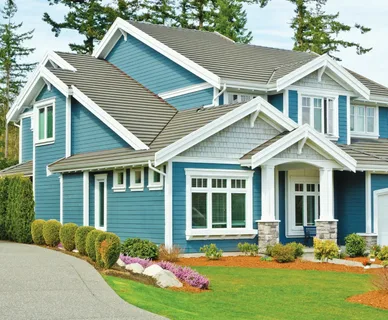
Peeling paint around a window, cracked caulk along a corner board, or bare wood showing through an older finish can seem like minor cosmetic issues. On a Ballard home, they may also signal that the coating has stopped protecting the material underneath. Proper Exterior Painting Installation starts by finding those weak areas before fresh paint hides them. Washington Custom Painting and Remodeling looks at exterior projects from the condition of the house first, because a durable finish depends on what is happening beneath the visible color.
Ballard presents a different painting environment from newer suburban neighborhoods. Many homes have older wood siding, detailed trim, porches, narrow side yards, mature landscaping, and several generations of previous coatings. Add Seattle’s long wet season, and a simple repaint can involve more preparation than homeowners initially expect.
The important decision is not which paint color photographs best. It is deciding which surfaces are sound enough to repaint, which need extra preparation, and which need actual repair before any coating is applied.
What a Durable Repaint Actually Requires
Exterior painting begins with inspection. Siding, fascia, window casing, soffits, corner boards, porch details, doors, railings, and exposed wood edges should all be checked individually. One side of a house can be in good condition while another shows cracked paint, moisture staining, loose caulk, or weathered wood.
In Ballard, we’ve noticed that most homeowners naturally focus on peeling areas they can see from the sidewalk. The less obvious trouble often appears at window sills, lower siding courses, porch connections, or trim joints where water repeatedly reaches exposed edges.
Quality Exterior Painting services should include more than washing and coating. Cleaning removes dirt, mildew, airborne residue, and other contaminants. Loose paint needs scraping where appropriate, rough edges may require sanding, exposed material can need primer, and failed sealant should be corrected before finish coats begin.
Wood deserves special attention because water can enter through end grain, open joints, splits, or deteriorated trim. Paint can slow moisture exposure on sound wood, but it cannot restore material that has already become soft or rotten.
Another detail homeowners often miss is coating compatibility. A new acrylic coating may perform well, yet its success still depends on the stability of the existing layers. If an old coating releases from the wood underneath, the new finish can come off with it.
That is why preparation should focus on adhesion rather than appearance alone. A surface can look smooth from ten feet away and still contain weak paint edges that need attention before the first finish coat.
Ballard’s Wet Seasons Expose Weak Prep
Ballard’s long periods of cool, wet weather create a simple problem: surfaces do not always dry at the same speed. Siding receiving afternoon sun may be ready sooner than a wall shaded by a neighboring house, fence, tree canopy, or deep roof overhang.
A client in Ballard reached out after noticing repeated peeling below two windows on an otherwise presentable exterior. Once the loose coating was removed, the problem area showed failed sealant and exposed wood near the sill joints. The damaged sections needed preparation and repair before primer could be applied. Repainting immediately would have improved the color while leaving the original failure point underneath.
This leads to an objection homeowners often raise: “If the painter already washed the house, why can’t painting start right away?” Washing is only one stage. The material still needs enough drying time, and shaded wood may remain damp longer than an exposed wall.
People searching for Exterior painters near me should ask how a contractor determines that siding is ready rather than asking only how many days the project will take. Weather, substrate type, airflow, shade, and recent rain all affect readiness.
There is another question many general painting articles avoid: what happens if scraping exposes more damage than expected?
That possibility should be discussed before the contract is signed. Normal paint preparation may include minor scraping, caulking, and spot priming. Rotten trim, failing siding, or larger carpentry repairs are different work and may need separate approval.
Ballard’s tight residential lots can complicate the job further. A painter may be working only a few feet from a neighboring fence, vehicle, planting bed, or building. Protection methods and application techniques need to account for those conditions instead of assuming every elevation has open working space.
How Washington Custom Painting and Remodeling Handles Older Siding
The most useful starting point is to classify surfaces into three groups: sound areas ready for routine preparation, failing coatings that need additional work, and damaged materials requiring repair.
That distinction keeps painting and carpentry from becoming one undefined scope. Homeowners know which issues are covered by the estimate and which discoveries could change the cost.
Older siding may have multiple coats built up over many years. The goal is not automatically to remove every historic layer. Stable existing paint can often remain after suitable cleaning and preparation, while loose or poorly bonded areas need to be taken back to a firm edge.
The reliable Exterior Painting Services in Ballard WA should also explain where primer is being used and why. Bare wood, repaired areas, difficult stains, or exposed substrate may require targeted priming. Applying primer everywhere without considering surface condition is not automatically better than selecting the correct preparation for each area.
Another overlooked factor is edge protection. The face of a board may appear fine while its lower edge, end grain, or cut joint has weaker protection. Water repeatedly reaching those locations can cause deterioration sooner than it does across the broad siding surface.
Application method should match the architecture too. Spray application can be efficient on suitable siding, but detailed trim, porch elements, narrow areas, or textured surfaces may benefit from brush or roller work. On closely spaced Ballard properties, crews also need to consider overspray risk and neighboring surfaces before selecting equipment.
Homeowners should expect preparation to look somewhat unfinished before the coating goes on. Sanded edges, spot primer, repaired joints, and patched areas are signs that the crew is correcting the surface rather than simply covering it.
What to Confirm Before Work Begins
Start by asking exactly which surfaces are included in the proposal. Siding, trim, fascia, soffits, doors, porch components, garage doors, railings, and foundations should not be assumed to be part of the same price.
Working with clients in Ballard, our team found that scope misunderstandings often begin with small architectural details. A homeowner assumes porch posts or basement-window trim are included, while the painter priced only siding and main trim. Walking the property together reduces those gaps.
A useful local tip is to inspect the house after rainfall. Areas that remain damp noticeably longer than surrounding walls deserve attention during the estimate. Look around lower siding, window corners, shaded alleys, deck connections, and sections behind dense vegetation.
People comparing the Best painting companies near me should also ask how unexpected repair work is documented. A contractor should be able to show the problem, explain why coating over it is not advisable, and provide pricing before performing work outside the original scope.
Color deserves thought, but darker versus lighter paint is not only an aesthetic decision. Major color changes can affect coverage and primer needs. Some older wood species can also develop staining that requires the correct primer rather than another finish coat.
Do not judge a proposal only by the paint brand named on the estimate. A premium coating placed over weak preparation can fail sooner than a correctly specified coating applied over a properly prepared surface.
The Best Exterior Painting company for an older Ballard property should also explain its containment and cleanup plan. Scraping debris, sanding dust, masking materials, ladders, and equipment need extra control on narrow lots where neighboring property sits close to the work area.
Before final payment, walk around the house in daylight. Check window trim, lower boards, corners, porch details, doors, fascia, and repaired areas. Look for missed edges, thin coverage, paint on hardware, overspray, or unfinished caulk lines.
Ask for leftover paint to be labeled by color and surface if the contract includes it. A clearly marked container can make future maintenance much easier than trying to identify the original product several years later.
Protect the Siding Before Damage Spreads
Good Exterior painting on a Ballard home is less about covering age and more about protecting sound materials before small failures become larger repairs. Washington Custom Painting and Remodeling can help homeowners identify weak coatings, repair concerns, and detailed prep needs before the project is priced. Walk the exterior closely with the estimator and make sure the written scope explains what will be cleaned, repaired, primed, protected, and painted.
4. FAQs
1. How much does exterior painting cost in Ballard, WA?
Pricing depends on house size, stories, siding type, access, trim detail, paint condition, preparation, and repair needs. Older homes may cost more if they require extensive scraping, detailed masking, wood repair, or specialty primer. Ask for an itemized proposal so you can see where the labor and preparation costs are going.
2. How long should siding dry before painters start?
There is no single drying period that works for every property. Wood type, temperature, rainfall, wind, shade, and airflow all affect drying. A sunny wall may become ready sooner than a narrow shaded elevation. The contractor should judge actual surface conditions and follow the coating manufacturer’s application requirements before painting.
3. Can old exterior paint simply be painted over?
Sound, well-adhered existing paint can often remain after proper cleaning and preparation. Loose, cracking, peeling, or poorly bonded coatings need more attention first. Bare substrate may also require primer. The goal is not necessarily to remove every previous layer, but the new coating should never depend on an unstable surface underneath.
4. How do I know an exterior painter is legitimate?
Check Washington contractor registration, insurance information, references, written estimates, payment terms, and warranty details. Ask who will perform the work and what happens if unexpected repairs appear after preparation begins. A trustworthy contractor should give clear answers about scope, materials, scheduling, cleanup, and additional charges before asking you to sign.
5. Should damaged wood be replaced before exterior painting?
Soft, rotten, or badly deteriorated wood generally needs repair or replacement before it is painted. Coating damaged material may improve its appearance temporarily, but it does not restore structural integrity. Minor weathering may only need sanding and primer, so ask the painter to identify which areas require normal prep and which need carpentry.