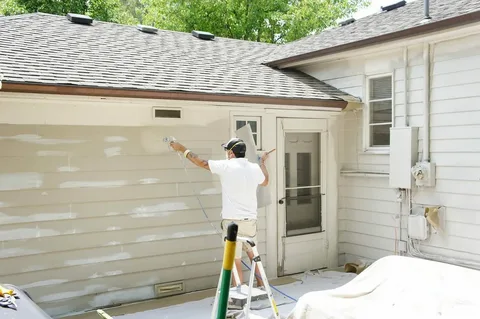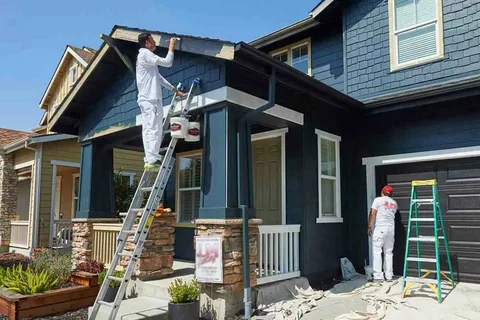
Learn about exterior painting in Bellevue and Sammamish, WA, including surface preparation, paint selection, costs, maintenance, and common mistakes.
Washington Custom Painting and Remodeling does more than change the color of a home. A properly maintained exterior can help protect siding, trim, doors, and other surfaces from moisture, sunlight, dirt, and everyday wear. For homeowners in Bellevue and Sammamish, choosing the right materials and preparing surfaces carefully can make a major difference in the finished result.
Before starting a project, homeowners should assess the condition of the exterior, select products suited to the surface, and understand how preparation affects durability. A well-planned painting project can also improve curb appeal without requiring major structural changes.
Why Exterior Painting Matters for Your Home
Exterior surfaces face changing weather throughout the year. Rain, humidity, temperature changes, sunlight, and airborne dirt can gradually affect paint and the materials underneath it.
A fresh coating can help maintain the appearance of surfaces while providing an additional layer of protection. However, paint cannot correct serious structural or moisture problems. Those issues need attention before painting begins.
Signs that a home may need exterior painting include:
- Peeling or cracking paint
- Faded or uneven color
- Exposed wood
- Chalking or flaking surfaces
- Damaged or deteriorated caulk
- Stains or visible mildew
- Areas where the previous coating has worn away
Regular inspections make it easier to identify these issues before they become more difficult to address.
What Does a Quality Exterior Painting Project Include?
A successful project starts with preparation rather than immediately applying paint. Each stage contributes to the appearance and performance of the finished coating.
How Exterior Painting Should Be Planned
A typical project includes several steps:
1. Exterior inspection:
The home’s siding, trim, doors, windows, and other painted surfaces should be inspected for damage and areas that need repair.
2. Cleaning:
Dirt, dust, mildew, and other contaminants can interfere with adhesion. Surfaces should receive appropriate cleaning before painting.
3. Scraping and sanding:
Loose or peeling paint needs removal. Sanding can smooth rough areas and help create a suitable surface for the new coating.
4. Repairs and caulking:
Cracks, damaged wood, gaps, and failing caulk should be addressed before the finish goes on.
5. Priming:
Some surfaces need primer to improve adhesion, seal exposed material, or provide a consistent base for the finish coat.
6. Paint application:
The selected exterior coating should be applied according to product requirements, including recommended conditions and drying times.
7. Final inspection:
The finished exterior should be checked for missed areas, uneven coverage, drips, and other visible issues.
Choosing the Right Exterior Paint
Paint selection involves more than choosing a color. Homeowners should consider the exterior material, exposure to weather, existing coating, sheen, and maintenance requirements.
Common considerations include:
| Factor | What to Consider |
| Surface material | Choose a coating compatible with the siding or trim |
| Weather exposure | Consider moisture and direct sunlight |
| Sheen | Higher sheens may clean more easily but can highlight surface flaws |
| Color | Test samples under different lighting |
| Existing coating | Check compatibility before applying new paint |
| Maintenance | Consider how often the surface will need cleaning or touch-ups |
Testing a few sample colors on the actual exterior can prevent surprises. Colors can appear different depending on natural light, surrounding surfaces, and the time of day.
Finding Exterior Painters Near Me
When homeowners search for exterior painters near me in Bellevue, WA, they should look beyond proximity and compare the quality of the proposed work.
A contractor’s estimate should clearly explain the project scope. Ask whether it covers cleaning, scraping, sanding, repairs, primer, finish coats, protection of nearby areas, and cleanup.
It can also help to ask:
- What exterior surfaces do you regularly paint?
- What preparation will the project require?
- Which products do you recommend?
- How will weather conditions affect scheduling?
- How many coats will the project require?
- How long should the finish cure?
- What insurance and licensing do you carry?
A detailed answer to these questions can help homeowners compare contractors more fairly.
Exterior Painting Services: What Affects Cost?
The cost of exterior painting services in Sammamish, WA varies depending on the home’s size, surface condition, material, accessibility, preparation needs, and paint selection.
Factors that can increase project complexity include:
- Extensive scraping or sanding
- Wood or siding repairs
- Multiple exterior stories
- Difficult-to-reach areas
- Extensive trim work
- Significant color changes
- Additional primer requirements
- Detailed architectural features
Homeowners should compare estimates based on the complete scope of work rather than choosing the lowest number automatically.
Exterior Painting vs. Other Exterior Improvements
Painting can make a noticeable visual difference, but it does not replace repairs or other maintenance.
| Project | Primary Purpose |
| Exterior painting | Refreshes and protects painted surfaces |
| Siding replacement | Addresses severely damaged or outdated siding |
| Exterior repairs | Corrects structural or surface damage |
| Caulking | Helps seal gaps around certain areas |
| Pressure washing | Removes dirt and surface buildup |
Sometimes several maintenance tasks should happen before painting. For example, replacing deteriorated siding before applying a new finish can produce a better long-term result.
Common Exterior Painting Mistakes
Avoiding preparation shortcuts can prevent many common problems.
Painting Dirty Surfaces
Paint may not adhere properly when dirt, grease, mildew, or other contaminants remain on the surface.
Ignoring Moisture Problems
Painting over a moisture issue can conceal the problem temporarily while damage continues underneath.
Skipping Surface Repairs
Cracks, damaged wood, and deteriorated caulk can remain visible after painting if homeowners do not address them first.
Choosing Paint Only by Price
A cheaper product may not provide the characteristics needed for a particular surface or environment.
Rushing the Process
Insufficient drying or curing time can affect the finish and may lead to premature damage.
Best Practices for Long-Lasting Exterior Paint
Homeowners can extend the useful life of an exterior finish with regular maintenance.
- Inspect painted surfaces at least once a year.
- Clean dirt and organic buildup when necessary.
- Keep gutters and downspouts working properly.
- Repair damaged caulk promptly.
- Address peeling or cracked areas early.
- Keep vegetation from constantly rubbing against painted surfaces.
- Follow the paint manufacturer’s cleaning recommendations.
- Watch areas around windows, doors, and rooflines for moisture problems.
Good maintenance can help identify small issues before they require larger repairs.
Conclusion
Exterior painting can refresh a home’s appearance while helping maintain exposed surfaces in Bellevue and Sammamish. The best results come from careful inspection, thorough preparation, suitable materials, proper application, and ongoing maintenance. By comparing the full scope of exterior painting services and addressing surface problems before painting, homeowners can make informed decisions and achieve a finish that remains attractive and functional over time.
FAQ
1. How often should a home receive exterior painting?
There is no single schedule for every home. Paint lifespan depends on the surface material, product, preparation, weather exposure, and maintenance. Regular inspections provide a better indication of when repainting is needed.
2. Should I repair damaged siding before painting?
Yes. Painting over damaged or deteriorated siding does not solve the underlying problem. Repairs should generally come before the finish coat.
3. Can exterior painting be done in wet weather?
Painting requires suitable surface and weather conditions. Excess moisture can affect adhesion, drying, and the final appearance, so product requirements should guide scheduling.
4. How should I choose an exterior paint color?
Consider the home’s architecture, roof color, surrounding environment, and natural lighting. Test samples on the exterior before selecting the final color.
5. How can I maintain a newly painted exterior?
Inspect it regularly, clean surfaces gently, control moisture, maintain caulking, and address peeling or damage as soon as you notice it.