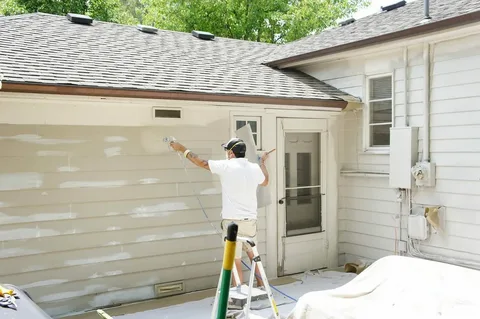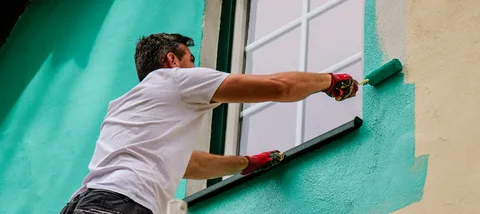
A Seattle exterior can look dry by noon and still hold moisture in shaded siding, trim joints, or exposed wood. That is one reason Exterior Painting should never be treated as a simple color-change project. Washington Custom Painting and Remodeling looks first at the condition of the surface, how water moves around the home, and whether the weather window is truly suitable before new coating goes on.
Seattle homes face long wet stretches, moss and mildew pressure, cloudy periods, and short drying windows outside the summer season. Those conditions make prep, product compatibility, and timing more important than choosing a premium paint by name alone. A durable finish starts with a stable substrate and a clear plan for repairs.
What a Complete Exterior Repaint Should Include
Professional Exterior Painting begins with a full walkaround. Siding, trim, fascia, soffits, doors, garage doors, porch details, exposed beams, gutters, and transitions between materials should be checked for peeling, chalking, cracked caulk, soft wood, open joints, staining, and prior patch work.
In Seattle, we’ve noticed that most homeowners spot failure first on the front of the house, while the more serious moisture exposure may be on shaded north-facing walls or below gutters. Lower siding behind shrubs can also stay damp longer because air movement is limited. Those areas deserve extra attention before washing or sanding starts.
Cleaning should fit the material. Pressure that is too aggressive can damage wood fibers or push water into gaps, so washing method matters. After the surface dries, loose coating can be scraped, rough edges feathered, bare areas primed, and failed sealant replaced where a joint is actually meant to be sealed.
Homeowners comparing Exterior painting services should ask what preparation is included in writing. One estimate may cover light scraping only, while another includes wood repair, stain blocking, detailed sanding, caulk replacement, and primer for exposed substrate. Those are different jobs even if both proposals use the same paint brand.
The Real Exterior Challenge in Seattle
Seattle’s wet climate creates a problem that generic painting advice often oversimplifies: a rain-free day does not automatically mean a wall is ready for coating. Recent rainfall, morning dew, shade, cool temperatures, vegetation, and water trapped at joints can keep parts of the exterior damp after other areas have dried.
A client in Seattle reached out after noticing paint lifting around a lower window and assumed the previous coating had simply reached the end of its life. Closer inspection showed an open joint above the trim and recurring moisture marks below it. The loose material was removed, the source was corrected, and the wood was given time to dry before primer. Painting over the area immediately would have hidden the warning sign without fixing it.
One objection homeowners often raise is, “If rain is not forecast, why can’t the crew just keep going?” The answer is that coating performance depends on the surface as much as the sky. A painter may need to delay one elevation while another part of the house is ready.
People searching Exterior painters near me should ask how surface readiness is checked after washing or rain. Current Seattle competitors already talk about pressure washing, scraping, sanding, rot repair, dry-season scheduling, premium coatings, and Pacific Northwest moisture. The stronger question is what makes a crew stop before primer, especially on shaded siding, exposed end grain, or repaired wood that still needs drying time.
How Washington Custom Painting and Remodeling Handles Surface Readiness
The process starts by separating cosmetic wear from coating failure caused by the substrate. Faded paint may need normal preparation, but peeling near a sill, gutter line, or trim joint can point to water entry, soft wood, or an incompatible previous repair. The cause needs to shape the prep plan.
After washing, the exterior should be allowed to dry rather than pushed forward just because the schedule is tight. Bare wood, patched sections, chalky surfaces, rust-prone metal, and previously stained areas may require different primers. Caulk should be used where the assembly calls for a sealed joint, not as a filler for every opening on the house.
End grain deserves special attention. Cut ends of boards and horizontal wood surfaces can take on moisture faster than broad vertical faces, especially where water sits or repeatedly runs over an edge. If scraping or carpentry exposes raw wood in these locations, careful priming can matter more than adding an extra finish coat to the middle of a wall.
Many Seattle painting pages also emphasize warranties and premium products. Those details are useful, but a coating cannot compensate for damp wood, loose paint, failed trim, or unresolved water entry. A good crew should be willing to explain why a surface is not ready and what must happen before work continues.
For older Seattle homes, paint disturbance can also raise lead-safety concerns. EPA guidance says paid renovation, repair, and painting work that disturbs painted surfaces in many pre-1978 homes is covered by the RRP rule and can require certified firms and lead-safe work practices. That is worth asking about before sanding or scraping begins.
What to Know Before You Choose a Painter
Working with clients in Seattle, our team found that estimates become much easier to compare when preparation, repairs, primer, finish coats, optional surfaces, and change-order work are separated. A lower total may exclude fascia, doors, detailed trim, or wood repair that another contractor already included.
Ask each painter to point out the areas they expect to need the most prep. A useful answer should refer to actual conditions on the home, such as chalking, open joints, failed edges, soft trim, exposed fasteners, mildew, or old patch work. General claims about premium preparation do not tell you enough.
Seattle homeowners should also ask how landscaping affects the job. Dense shrubs against siding can restrict access and slow drying. Branches rubbing on painted walls may damage the new coating later, so trimming vegetation before the project can improve both preparation and long-term maintenance.
If you are comparing the Best exterior painting company, verify contractor credentials, insurance, the written scope, products, cleanup, and the process for approving unexpected repair work. A strong estimate should also state which surfaces are excluded so there is no confusion around decks, railings, gutters, detached structures, or doors.
Color selection deserves more than one small sample. Test larger swatches on different elevations because Seattle shade can make the same color read cooler than it does in direct afternoon light. Darker colors may also show surface variation more clearly on siding with age-related texture.
Homeowners evaluating the Best exterior painting services in Seattle, WA should ask what happens if weather changes after prep begins. The right answer may involve shifting to another elevation, protecting exposed areas, or delaying coating until conditions improve. A contractor who is willing to adjust the schedule for the surface is protecting the work rather than simply protecting the calendar.
Give the New Finish a Better Start
A long-lasting Seattle exterior depends on dry surfaces, sound repairs, compatible primer, careful application, and enough curing time before moisture returns. Washington Custom Painting and Remodeling can assess exterior coating work in Seattle, WA, with siding condition, drainage, prep depth, and weather exposure considered before work begins. The most useful next step is a written exterior assessment that separates cleaning, repairs, primer, and finish coats before you compare final prices.
4. FAQs
How much does exterior house painting cost in Seattle?
Cost depends on home size, number of stories, siding type, trim detail, access, repairs, preparation, and the coating system selected. A house with failing wood or extensive scraping will cost more than one with sound surfaces. Ask for repairs and painting to be priced clearly so estimates can be compared fairly.
What time of year is best for exterior painting in Seattle?
Late spring through early fall usually offers more workable weather, but the exact surface conditions matter more than the month. Recent rain, shade, morning dew, temperature, and drying time can all affect application. A responsible crew should follow the coating manufacturer’s requirements and delay work if the substrate is not ready.
How do I know an exterior painter is legitimate?
Check the contractor’s Washington registration, insurance, written proposal, recent project examples, and change-order process. Ask who supervises the crew and how weather delays or hidden damage are handled. For older homes, also ask about lead-safe procedures before painted surfaces are scraped, sanded, or otherwise disturbed.
Should all peeling paint be removed before repainting?
Loose and failing coating should be removed until the remaining edge is sound enough for the planned system. That does not always mean stripping every old layer from the house. Proper scraping, sanding where appropriate, primer, and correction of moisture or substrate problems matter more than removing paint that is still firmly bonded.
How long should exterior paint last on a Seattle home?
There is no honest single lifespan for every house. Siding material, sun exposure, shade, moisture, drainage, preparation quality, coating choice, and maintenance all affect durability. Checking caulk joints, trim, lower siding, gutters, and small paint failures each year can help catch localized issues before they spread.