Fresh color can make a room feel new, but it can also reveal every dent, patch edge, old roller mark, and uneven repair that was easy to ignore before. In Seattle homes, especially older houses and remodeled spaces, Interior Painting often succeeds or fails during preparation rather than during the final coat. Washington Custom Painting and Remodeling shares this perspective because the most durable, polished results start with understanding the wall, the room, and how the space is actually used.
A careful repaint also has to work around real life. Furniture, flooring, artwork, window coverings, outlets, trim, pets, children, and daily routines all affect how the job should be planned. The goal is not simply to change color. It is to create a finish that looks consistent in daylight, evening light, and normal daily use without turning the home into an unnecessary mess.
What a Professional Interior Repaint Really Includes
Professional work starts with a room-by-room inspection. Walls may have nail holes, hairline cracks, dents, old anchors, loose drywall paper, stain marks, glossy patches, failed caulk, or previous repairs that were never feathered smoothly. Ceilings, baseboards, doors, window casings, built-ins, and closets also need to be identified before pricing so both sides know exactly what is included.
In Seattle, we’ve noticed that most homeowners choose color before they think about surface condition. Yet a lighter tone, lower-angle lamp, or slightly higher sheen can make an old patch far more visible than it was under the previous finish. That is why prep can include cleaning, filling, sanding, spot priming, stain blocking, caulking suitable trim joints, and testing questionable areas before the main coats go on.
A good repaint proposal should also explain sheen instead of treating it as a decorative afterthought. Matte and lower-sheen finishes can soften minor wall variation, while eggshell or satin may offer easier cleaning in busy spaces. Kitchens, bathrooms, hallways, children’s rooms, and entry areas often need a different balance between appearance and washability than a low-traffic bedroom.
Homeowners who search for Interior painters near me should ask what level of wall correction is included. A standard repaint does not automatically mean skim coating every wall or making old plaster look like new Level 5 drywall. Agreeing on that expectation before work begins prevents one of the most common disputes at the final walkthrough.
The Real Interior Challenge in Seattle
Seattle’s climate has a pronounced rainy season and considerable winter cloudiness, according to the National Weather Service. Indoors, that makes ventilation and moisture history especially relevant in bathrooms, laundry areas, basements, and rooms where condensation tends to collect. Paint should not be used to hide an active moisture problem.
A client in Seattle reached out after noticing bubbling near a bathroom ceiling and assumed another coat would solve it. Closer inspection showed that the coating failure was concentrated around a repeatedly damp area rather than spread evenly through the room. The damaged finish needed to be removed, the moisture source addressed, and the surface allowed to dry before repair and primer. Painting immediately would only have covered the symptom.
The objection many homeowners raise is fair: “If the walls already look decent, why am I paying for prep?” Fresh, uniform paint removes visual distractions, which means small defects can become easier to see after the room is repainted. Skipping ten minutes of patch feathering can leave a flaw that catches your eye for years.
Current Seattle pages already discuss drywall repair, plaster, premium coatings, furniture protection, humidity, sheen, and lead-safe work. A less consistently explained issue is the acceptance standard: which imperfections will disappear, which will remain part of an older wall, and how the finished surface will be judged under the room’s normal lighting.
That matters because Seattle’s cloudy winter daylight can be forgiving in one direction while a lamp placed close to a wall exposes every ridge at night. The useful question competitors often leave vague is not “How many coats will you apply?” but “What condition will the wall be in before those coats begin?”
How Washington Custom Painting and Remodeling Plans the Work
The process should start with scope, not paint cans. Each room needs a clear list of surfaces: walls, ceilings, trim, doors, closets, accent areas, and any repairs. Colors and sheens should be confirmed before production begins, along with exclusions such as major drywall replacement, carpentry, wallpaper removal, or repairs caused by active leaks.
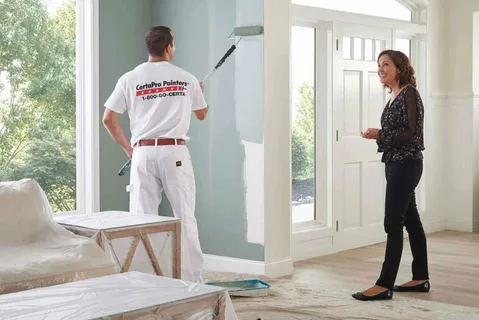
Protection comes next. Floors should be covered, furniture moved or wrapped as agreed, hardware and switch plates handled carefully, and sanding dust controlled. In occupied homes, sequencing rooms one at a time can keep kitchens, bedrooms, and work areas usable rather than opening the entire house at once.
Repair methods should match the defect. Small dents may only need filler and feather sanding, while torn drywall paper should be sealed before patching. Water stains may require a stain-blocking primer. Cracks that keep returning deserve investigation rather than repeated cosmetic filling.
Some current Seattle painting pages emphasize premium brands and multiple finish options, which are useful, but paint quality cannot correct a poor substrate. A high-end coating over a raised patch still leaves a raised patch. The unique insight for homeowners is simple: ask to inspect repaired walls before the finish coat, especially in rooms with strong side lighting.
Older Seattle housing brings another practical issue. EPA guidance says renovation, repair, and painting work that disturbs painted surfaces in many pre-1978 homes can fall under lead-safe requirements, and homeowners are advised to use properly certified contractors for covered work. Sanding and scraping should never be treated casually just because the project is indoors.
A strong Painting company should be able to explain what happens if the crew uncovers loose plaster, a failed patch, or evidence of moisture after prep begins. The answer should include how the issue is documented, how extra work is approved, and whether the schedule changes. That protects the homeowner from vague surprises and gives the crew a clear path forward.
What to Know Before You Choose
Working with clients in Seattle, our team found that homeowners compare estimates more accurately when labor for repairs is separated from ordinary painting. Two bids may list the same number of rooms but include very different preparation levels. The lowest total is not necessarily the same scope.
Ask for a written description of what “prep” means. Does it include nail holes only, or also cracks, texture blending, failed caulk, stain sealing, and sanding of rough patches? If you are comparing local painting contractors, this question is more useful than asking which brand appears on the truck.
Lighting deserves its own check. View sample colors during the day and after sunset because Seattle rooms can shift noticeably under warm bulbs, cool LEDs, shaded windows, and overcast light. Large samples on more than one wall usually tell you more than a small paper chip.
People searching Best painting companies near me should also compare cleanup, furniture handling, daily access, start times, and change-order policies. These details determine how disruptive the project feels while work is underway. A technically good finish is less satisfying if the process creates avoidable confusion inside an occupied home.
Check licensing, insurance, and the written proposal before choosing among Painters in my area. For older homes, ask how potentially lead-containing coatings will be handled if sanding, scraping, or repair disturbs them. EPA notes that paid contractors performing covered work in pre-1978 housing are subject to certification and work-practice requirements.
Do not assume more sheen means more durability in every room. Product formulation, cleaning needs, wall condition, and lighting all matter. The Best painting services in Seattle, WA recommendation for a hallway may be different from the right choice for a formal living room or a patched ceiling.
Finally, ask how touch-ups will be handled. Even the Best Painters cannot guarantee that a small spot repair will disappear on every aged wall because existing color, sheen, texture, and years of wear affect blending. In some cases, repainting from corner to corner creates a more consistent result than touching only the repaired area. Seattle paint-blending specialists make the same distinction between spot work and full-wall repainting where sheen mismatch is visible.
Make the Finished Room Hold Up to Real Life
A successful repaint should look clean after the drop cloths are gone, after the lamps come on, and after the room returns to everyday use. Washington Custom Painting and Remodeling can assess interior painting in Seattle, WA, with wall condition, repairs, sheen, protection, and room sequencing considered before work begins. The most useful next step is to request a written room-by-room scope so you know exactly what will be repaired, primed, protected, and coated.
4. FAQs
How much does it cost to paint a room in Seattle?
Cost depends on room size, ceiling height, wall condition, trim, repairs, color change, paint grade, and access. A simple bedroom repaint costs less than a room needing extensive patching or detailed millwork. Ask for preparation, walls, ceilings, doors, and trim to be priced clearly so you can compare similar scopes.
How long does it take to paint the inside of a house?
A single straightforward room may take a day or two, while several rooms or a whole home can take much longer. Drywall repairs, primer, detailed trim, occupied spaces, drying time, and major color changes all affect the schedule. A good estimate should explain the room sequence as well as the expected completion window.
How do I know an interior painter is legitimate?
Check the contractor’s Washington registration, insurance, written proposal, recent project examples, and reviews that mention communication and cleanup. Ask who will work inside the home and how changes are approved. If the property predates 1978, also ask how lead-safe requirements are handled before painted surfaces are disturbed.
Do interior walls always need primer before repainting?
No. Sound walls already coated with compatible paint may not need a full primer coat. Primer becomes more useful over bare drywall, repairs, stains, porous areas, major color changes, or surfaces where adhesion is questionable. Spot priming is often enough when only isolated patches need sealing before the finish coats.
Should I repaint a whole wall after a drywall repair?
Not always, but full-wall repainting often gives a more consistent appearance when the existing coating has aged or the sheen is difficult to match. A small touch-up can flash under side lighting even when the color is close. Ask the painter to judge the repair under the room’s normal daylight and evening lighting.