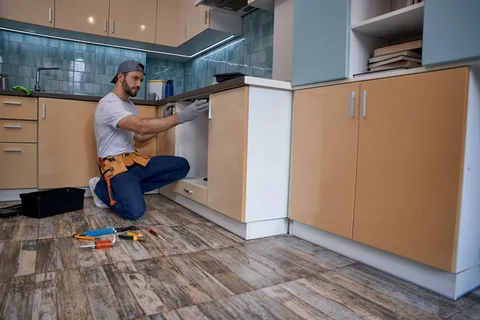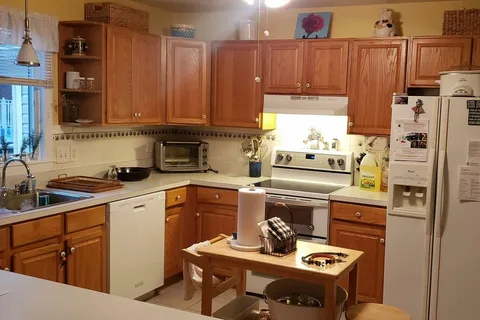
A Washington Custom Painting and Remodeling can update the look of a kitchen without replacing every cabinet. For homeowners in Sammamish and Ballard, WA, cabinet refinishing offers a practical way to refresh dated doors, worn finishes, and tired-looking storage. Instead of removing usable cabinet boxes, refinishing focuses on cleaning, repairing, sanding, priming, and applying a new finish.
The right approach depends on the cabinet material, existing finish, damage, kitchen layout, and desired style. Understanding the process and costs can help homeowners decide whether refinishing makes sense for their space.
Why Consider a Kitchen Cabinet Makeover?
Kitchen cabinets take daily wear from cooking, cleaning, moisture, and frequent handling. Even well-built cabinets can eventually develop scratches, fading, stains, or an outdated appearance.
A refinishing project can address many of these cosmetic concerns while keeping the existing cabinet layout.
Common reasons homeowners choose refinishing include:
- Updating outdated cabinet colors
- Covering minor scratches and surface wear
- Refreshing faded finishes
- Keeping existing cabinet boxes
- Changing the kitchen’s overall appearance
- Avoiding the disruption of a complete cabinet replacement
Refinishing works especially well when the cabinet structure remains strong. If the boxes have major water damage, severe warping, or structural problems, replacement may make more sense.
What Does Cabinet Refinishing Include?
Professional cabinet refinishing involves more than simply applying a new coat of paint. Proper preparation determines how well the new finish looks and holds up.
Steps in a Kitchen Cabinet Makeover
A typical project may include:
- Inspection: Cabinets and doors are checked for damage, loose hardware, peeling finishes, and other problems.
- Cleaning: Grease, dirt, and residue are removed from surfaces.
- Repairs: Small cracks, dents, loose joints, or damaged areas receive attention.
- Sanding or surface preparation: The existing finish gets prepared so the new coating can adhere properly.
- Priming: A suitable primer helps create a consistent base.
- Finishing: Paint, stain, or another suitable coating is applied.
- Reassembly: Doors, drawers, and hardware return after the finish has properly cured.
Skipping preparation can lead to peeling, uneven coverage, visible brush marks, or premature wear.
Cabinet Refinishing Cost: What Affects the Price?
The kitchen cabinet makeover in Sammamish, WA varies from one kitchen to another. A small kitchen with simple cabinet doors may require less labor than a large kitchen with detailed profiles, extensive repairs, or multiple finish coats.
Important cost factors include:
| Cost Factor | Why It Matters |
| Kitchen size | More cabinets usually require more preparation and finishing |
| Cabinet condition | Repairs add time and labor |
| Door design | Detailed profiles can require additional preparation |
| Existing finish | Some surfaces require specialized preparation |
| Finish type | Paint, stain, and specialty finishes can have different requirements |
| Hardware | Replacing knobs, pulls, or hinges adds to the project |
| Color change | Major color changes may require additional primer or coats |
Homeowners should compare the scope of work rather than choosing a contractor based only on the lowest estimate. A detailed quote should explain preparation, repairs, materials, finishing, and cleanup.
Affordable Cabinet Refinishing vs. Cabinet Replacement
Affordable cabinet refinishing in Ballard, WA can make sense when existing cabinets are structurally sound. Replacement becomes more attractive when the cabinet boxes are badly damaged or the homeowner wants a completely different layout.
| Refinishing | Replacement |
| Keeps existing cabinet boxes | Installs new cabinets |
| Usually involves less demolition | Requires removal of existing cabinets |
| Can change color and finish | Offers new materials and layouts |
| Often preserves the current kitchen layout | Can completely redesign the space |
| Less suitable for severely damaged cabinets | Better for major structural problems |
The best choice depends on the condition and function of the existing cabinetry, not simply its age.
Choosing a Finish for Sammamish and Ballard Kitchens
The right finish should match the kitchen’s style and expected daily use. Paint provides a clean, flexible appearance and works well for many modern and traditional kitchens. Stain can preserve the natural character of suitable wood cabinets.
Before selecting a finish, consider:
- Existing cabinet material
- Amount of kitchen traffic
- Desired color and style
- Cleaning habits
- Lighting conditions
- Existing countertops and flooring
- Long-term maintenance needs
A sample finish can help homeowners evaluate the color under different lighting before committing to the entire kitchen.
Kitchen Cabinet Restoration: When Is It Needed?
Kitchen cabinet restoration focuses on bringing older cabinets back to a better functional and visual condition. It may include repairing damaged areas, replacing worn hardware, correcting loose components, and restoring the finish.
Restoration can be particularly useful when cabinets have good-quality construction but show years of surface wear.
However, refinishing should not hide serious structural problems. Swollen particleboard, extensive water damage, broken cabinet boxes, or severe deterioration may require replacement.
Common Cabinet Refinishing Mistakes
Some mistakes can reduce the quality and lifespan of a refinishing project.
1. Skipping deep cleaning
Kitchen cabinets often contain grease that prevents coatings from bonding properly.
2. Applying paint over an unprepared surface
A new finish cannot reliably cover peeling or glossy surfaces without proper preparation.
3. Ignoring damaged wood
Dents, cracks, and loose joints can remain visible after refinishing if you do not repair them first.
4. Choosing products without considering cabinet material
Different substrates and existing finishes may require different primers and coatings.
5. Reassembling cabinets too soon
A finish may feel dry before it fully cures. Heavy use during this period can cause marks or damage.
Best Practices for Long-Lasting Results
Homeowners can help protect refinished cabinets by following a few simple practices:
- Clean spills promptly.
- Use gentle cleaning products recommended for the finish.
- Avoid abrasive scrubbers.
- Do not hang wet towels over cabinet doors.
- Check hinges and handles periodically.
- Address moisture problems quickly.
- Avoid excessive water when cleaning cabinet surfaces.
- Follow the finish manufacturer’s care instructions.
Good maintenance helps preserve both the appearance and function of refinished cabinets.
Conclusion
A kitchen cabinet makeover can give a dated kitchen a fresh appearance while preserving cabinets that still have useful life. For homeowners in Sammamish and Ballard, careful surface preparation, appropriate materials, and proper finishing techniques are key to achieving durable results. Evaluating cabinet condition, understanding the cabinet refinishing cost, and choosing between refinishing and replacement can help homeowners make a practical decision for their kitchen.
FAQ
1. Is cabinet refinishing cheaper than replacing cabinets?
It can be less expensive when the existing cabinets remain structurally sound because the project focuses on the existing cabinetry rather than installing an entirely new system.
2. How long does cabinet refinishing take?
The timeline depends on the number of cabinets, preparation requirements, repairs, finish type, and curing time. A detailed project assessment provides a more reliable estimate.
3. Can all kitchen cabinets be refinished?
Not necessarily. Solid wood and many properly prepared cabinet surfaces can be refinished, but severely damaged, warped, or deteriorated cabinets may not be suitable.
4. Can I change dark cabinets to a lighter color?
Yes, but major color changes often require thorough preparation and an appropriate primer to create an even base for the new finish.
5. How can I maintain refinished cabinets?
Clean them gently, control moisture, avoid abrasive products, and address scratches or hardware problems before they become larger issues.