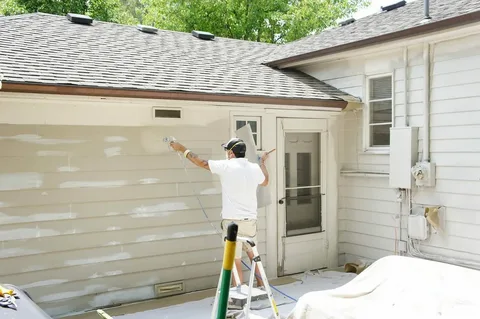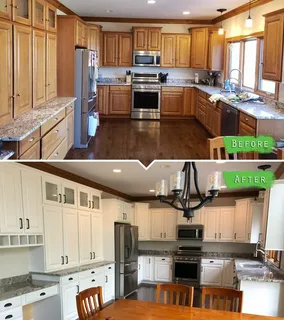
Old kitchen cabinets do not always need replacement. Washington Custom Painting and Remodeling can refresh worn finishes, update colors, and improve the appearance of existing cabinets while keeping the current layout. For homeowners in Seattle and Sammamish, WA, refinishing can offer a practical option when cabinet boxes remain structurally sound.
The quality of the final result depends on more than the paint or stain. Proper cleaning, repairs, sanding, priming, and application all play a role. Understanding the process can help homeowners decide whether refinishing or replacement makes more sense for their kitchen.
When Does Kitchen Cabinet Refinishing Make Sense?
Refinishing works best when cabinets have a solid structure but an outdated or worn appearance. Homeowners may consider it when doors look faded, surfaces have minor scratches, or the existing color no longer fits the kitchen.
Common signs that refinishing may work include:
- Cabinet boxes remain sturdy
- Doors and drawers still operate properly
- Surface wear remains mostly cosmetic
- The kitchen layout works well
- You want a new color or finish
- The wood or existing surface can accept a new coating
However, refinishing cannot solve every cabinet problem. Extensive water damage, severe warping, broken cabinet boxes, or significant deterioration may require replacement.
What Happens During Kitchen Cabinet Refinishing?
A professional refinishing project involves several preparation and finishing stages. Rushing through any of them can affect adhesion, appearance, and durability.
Step 1: Inspect the Cabinets
The first step involves checking doors, drawer fronts, cabinet boxes, hinges, and existing finishes. This helps identify repairs and determine whether the surfaces can support a new coating.
Step 2: Remove Hardware and Doors
Removing doors, drawers, knobs, and pulls makes it easier to prepare and finish each surface evenly. Labeling components during removal can also make reassembly easier.
Step 3: Clean the Surfaces
Kitchen cabinets collect grease, food residue, dust, and cleaning-product buildup. These contaminants can interfere with adhesion, so thorough cleaning matters.
Step 4: Repair and Sand
Minor dents, scratches, loose joints, and damaged areas should receive attention before finishing. Sanding helps create a suitable surface for primer and paint.
Step 5: Prime When Needed
Primer can improve adhesion and help create an even base, especially when changing from a dark finish to a lighter color or working with certain materials.
Step 6: Apply the Finish
Depending on the cabinet material and desired appearance, the project may use paint, stain, or another compatible coating. Multiple coats may provide better coverage and durability when the product requires them.
Step 7: Reassemble and Inspect
After the finish has properly dried and cured, doors, drawers, and hardware can return to their original positions. A final inspection should check for uneven coverage, drips, missed areas, and hardware alignment.
Cabinet Restoration vs. Refinishing
Cabinet restoration in Seattle, WA focuses on bringing existing cabinetry back into better condition. It may include structural repairs, hardware replacement, surface preparation, and refinishing.
Refinishing focuses mainly on changing or renewing the surface finish.
| Refinishing | Restoration |
| Primarily updates the surface | Can address appearance and condition |
| Changes paint, stain, or finish | May include repairs and hardware work |
| Works well for sound cabinets | Can help older cabinets with minor damage |
| Usually keeps the existing structure | May involve more extensive improvements |
A kitchen may need both approaches if the cabinets have cosmetic wear along with minor functional problems.
Choosing Cabinet Painting Services
When comparing cabinet painting services in Sammamish, WA, look at the preparation process rather than focusing only on the color or quoted price.
Ask potential contractors:
- How will the cabinets be cleaned?
- What repairs are included?
- Will doors and hardware be removed?
- What primer will they use?
- Which coating works with the existing cabinet material?
- How many coats does the project require?
- How long should the finish cure before normal use?
- What cleanup does the service include?
A detailed scope of work makes it easier to compare estimates and avoid unexpected work later.
Selecting the Right Cabinet Finish
The best finish depends on cabinet material, kitchen use, desired appearance, and maintenance expectations.
Paint
Paint offers a wide range of colors and can give older cabinets a clean, updated appearance. It works particularly well when homeowners want to make a noticeable color change.
Stain
Stain can highlight the natural appearance of suitable wood cabinets. It may work well when homeowners want to preserve visible wood grain rather than cover it completely.
Clear Finish
A clear protective coating can help preserve certain wood surfaces while maintaining their natural appearance. Product compatibility remains important.
Before committing to a color or finish, test samples in the actual kitchen. Natural and artificial lighting can make the same color look different throughout the day.
How Much Does Cabinet Refinishing Cost?
The cost of refinishing varies from project to project. Important factors include the number of cabinets, cabinet condition, surface preparation, repairs, finish type, and number of coats.
Additional factors may include:
- Cabinet door design
- Existing paint or stain
- Hardware replacement
- Color changes
- Special finishes
- Repair requirements
- Kitchen size
Instead of comparing estimates by price alone, homeowners should compare what each quote includes. A lower estimate may exclude important preparation or repair work.
Common Kitchen Cabinet Refinishing Mistakes
Poor preparation often causes problems that become visible after the project ends.
Avoid these common mistakes:
- Painting over grease or residue
- Skipping necessary repairs
- Applying paint to a glossy surface without preparation
- Using incompatible primer or paint
- Choosing a color without testing samples
- Applying thick coats that do not cure properly
- Reinstalling hardware too early
- Using harsh cleaners on a new finish
Taking time during preparation usually produces a more consistent result than trying to finish the project quickly.
Best Practices for Long-Lasting Cabinets
Good maintenance can help protect refinished cabinets from unnecessary wear.
- Wipe spills promptly.
- Use a soft cloth for routine cleaning.
- Avoid abrasive cleaners and scrubbers.
- Keep excessive moisture away from cabinet edges.
- Check hinges and handles for loose hardware.
- Repair small chips or damage before they spread.
- Follow the coating manufacturer’s cleaning recommendations.
- Allow newly finished surfaces to cure fully before heavy use.
Seattle and Sammamish homeowners should also pay attention to moisture around sinks, dishwashers, and plumbing connections. Persistent moisture can damage cabinet materials regardless of the quality of the finish.
Conclusion
Kitchen cabinet refinishing can update a kitchen without requiring a complete cabinet replacement. For homeowners in Seattle and Sammamish, the key to a successful project lies in proper inspection, cleaning, repairs, surface preparation, and finish selection. When existing cabinets remain structurally sound, refinishing can provide a practical way to improve their appearance while keeping the kitchen’s existing layout and functionality.
FAQ
1. How long does kitchen cabinet refinishing take?
The timeline depends on the number of cabinets, preparation, repairs, finish type, and curing requirements. A small project may take less time than a large kitchen with extensive preparation.
2. Can dark cabinets be refinished in a lighter color?
Yes. A major color change usually requires thorough preparation and an appropriate primer to create a consistent base.
3. Is refinishing better than replacing kitchen cabinets?
It depends on cabinet condition and the homeowner’s goals. Refinishing can make sense when the existing cabinets remain structurally sound and the layout works well.
4. Can damaged cabinets be restored?
Minor dents, scratches, loose components, and similar issues may be repairable. Severe water damage, warping, or structural deterioration may require replacement.
5. How should refinished cabinets be cleaned?
Use gentle cleaning methods and avoid abrasive products. Follow the care instructions for the specific finish used on the cabinets.