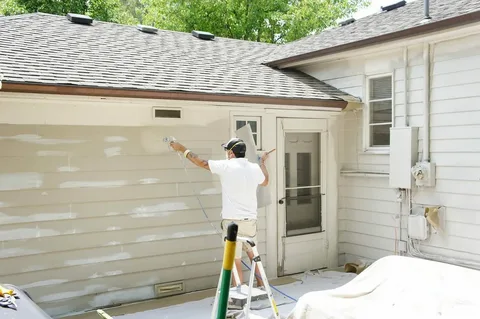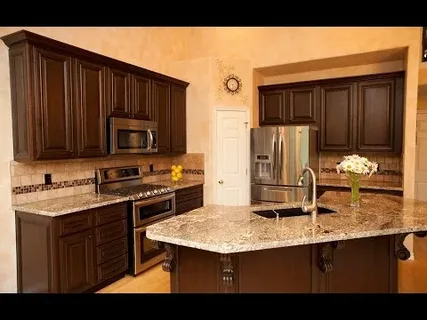
Learn about kitchen cabinet refinishing in Seattle, WA, including cabinet resurfacing, painting services, repairs, costs, preparation, and maintenance.
A kitchen can start to feel outdated even when the cabinets remain strong and functional. Faded finishes, scratches, worn edges, and old colors can affect the entire room. Washington Custom Painting and Remodeling offers homeowners in Seattle, WA, a way to refresh existing cabinets without replacing the entire system.
Refinishing can involve cleaning, sanding, repairs, priming, and applying a new finish. The right approach depends on the cabinet material, existing coating, condition, and desired appearance. Understanding the process can help homeowners decide whether refinishing, resurfacing, or replacement makes the most sense for their kitchen.
When Does Kitchen Cabinet Refinishing Make Sense?
Refinishing works best when the cabinet boxes, doors, and frames remain structurally sound. If the kitchen layout already works well, updating the finish can provide a noticeable change without removing the entire cabinet system.
Signs that refinishing may be worth considering include:
- Cabinets look faded or dated.
- Paint has started peeling or chipping.
- Wood surfaces have minor scratches or wear.
- Cabinet doors remain structurally sound.
- The current kitchen layout meets your needs.
- You want a new color or finish without a complete remodel.
However, refinishing may not solve serious structural problems. Cabinets with extensive water damage, severe rot, broken boxes, or major deterioration may require replacement or more extensive remodeling.
What Does the Refinishing Process Include?
Professional Kitchen cabinet refinishing in Seattle, WA involves several preparation steps. Rushing through preparation can affect adhesion, coverage, and the final appearance.
How Kitchen Cabinet Refinishing Works
Inspection: The cabinets are checked for damage, loose components, previous coatings, and other conditions that could affect the project.
Cleaning: Grease, food residue, dust, and household buildup must be removed before sanding or coating.
Repairs: Minor dents, cracks, loose joints, and damaged areas can often receive repairs before finishing.
Surface preparation: Depending on the existing material and coating, sanding, deglossing, or other preparation may help the new finish bond properly.
Priming: Primer can create a consistent base and improve adhesion, particularly when changing colors or working with exposed surfaces.
Finish application: Paint, stain, or another suitable coating is applied to the prepared doors, drawers, frames, and other surfaces.
Curing: The finish needs enough time to dry and cure before the cabinets return to regular use.
Cabinet Resurfacing vs. Refinishing
Homeowners sometimes use the terms refinishing and Cabinet resurfacing in Bellevue, WA interchangeably, but they describe different approaches.
| Cabinet Refinishing | Cabinet Resurfacing |
| Updates the existing cabinet surface with a new finish | Changes the visible exterior with a new surface material |
| May involve sanding, priming, painting, or staining | May involve veneer, laminate, or another covering |
| Works well when existing surfaces remain usable | Can provide a more substantial exterior appearance change |
| Keeps the original cabinet doors and structure | Often keeps cabinet boxes while changing exterior surfaces |
| Offers flexibility with colors and finishes | Provides different material and design options |
The right choice depends on the cabinet condition, desired look, budget, and extent of the planned kitchen update.
Choosing Cabinet Painting Services
Cabinet painting services can create a major visual change without changing the kitchen’s layout. However, the paint system should match the cabinet material and expected daily use.
When evaluating a painting approach, consider:
- Existing cabinet material
- Current finish
- Desired color
- Surface condition
- Kitchen ventilation
- Expected level of daily use
- Cleaning requirements
- Drying and curing time
Color selection also deserves attention. A shade that looks good on a small sample can appear different across an entire kitchen because of natural and artificial lighting.
Testing samples on cabinet surfaces can help homeowners evaluate the color before committing to the full project.
Cabinet Repair and Refinishing
Cabinet repair and refinishing can work together when cabinets have minor damage but remain structurally useful.
Common repair needs include:
- Small dents and scratches
- Loose hinges
- Damaged edges
- Minor cracks
- Worn drawer components
- Small areas of peeling finish
Repairs should generally happen before the final coating. Otherwise, the new finish may highlight imperfections or fail around damaged areas.
More serious issues require closer evaluation. Water-damaged wood, extensive rot, warped components, or badly deteriorated cabinet boxes may indicate that refinishing alone will not provide a lasting solution.
Common Kitchen Cabinet Refinishing Mistakes
Several mistakes can reduce the quality of a refinishing project.
Skipping thorough cleaning: Grease and residue can interfere with adhesion.
Painting over damaged surfaces: A new coating cannot correct structural problems underneath.
Using unsuitable products: Cabinet surfaces require coatings designed for the material and expected wear.
Rushing between coats: Insufficient drying or curing time can lead to tackiness, marks, or premature damage.
Ignoring hardware: Worn hinges and outdated handles can make refreshed cabinets look incomplete.
Choosing color without testing: Lighting can significantly affect how a cabinet color appears.
Best Practices for Cabinet Refinishing
A careful preparation plan can improve the final result and make future maintenance easier.
- Inspect cabinet doors, frames, and boxes before starting.
- Repair damage before applying primer or finish.
- Remove grease and residue thoroughly.
- Use appropriate preparation methods for the existing coating.
- Select products designed for cabinet applications.
- Test colors before applying them throughout the kitchen.
- Label doors and hardware during removal.
- Protect countertops, floors, appliances, and nearby surfaces.
- Follow recommended drying and curing times.
- Keep records of the paint color and products used for future touch-ups.
Actionable Tips for Seattle Homeowners
Before starting a cabinet refinishing project, homeowners can take a few practical steps:
- Decide whether you want a color change, finish change, or both.
- Check whether the existing cabinets remain structurally sound.
- Identify water damage or other repairs before requesting an estimate.
- Compare refinishing with resurfacing and replacement.
- Ask what preparation the project includes.
- Request information about primer and finish products.
- Test samples under both daytime and kitchen lighting.
- Plan around the time required for drying and curing.
- Consider whether hardware should be repaired or replaced at the same time.
Conclusion
Kitchen cabinet refinishing can give Seattle homeowners a practical way to update a kitchen while keeping cabinets that are still structurally sound. The project works best when homeowners address repairs first, prepare surfaces carefully, choose suitable coatings, and allow adequate curing time.
Understanding the differences between refinishing and Cabinet resurfacing, evaluating Cabinet painting services, and addressing repairs before finishing can help homeowners achieve a cleaner, longer-lasting kitchen update without automatically replacing functional cabinets.
FAQs
Is kitchen cabinet refinishing cheaper than cabinet replacement?
It can be less expensive when the existing cabinets remain structurally sound because refinishing works with the current cabinet system rather than replacing the entire installation.
How long does cabinet refinishing take?
The timeline depends on cabinet quantity, surface condition, repairs, preparation, finish type, and curing requirements. A project with extensive preparation will generally take longer.
Can painted cabinets be refinished again?
In many cases, yes. The existing finish and cabinet condition need evaluation first. Proper cleaning and surface preparation become especially important when applying another coating.
Should I choose refinishing or cabinet resurfacing?
Refinishing may suit cabinets that need a new paint or stain finish, while resurfacing can provide a different exterior surface. Cabinet conditions and the desired appearance should guide the decision.
How do I maintain refinished kitchen cabinets?
Clean cabinets with products appropriate for the finish, avoid excessive moisture, wipe spills promptly, and address chips or scratches early. Avoid harsh cleaners that could damage the coating.